The Ximénez Archive

  • The Censor’s Red Pencil

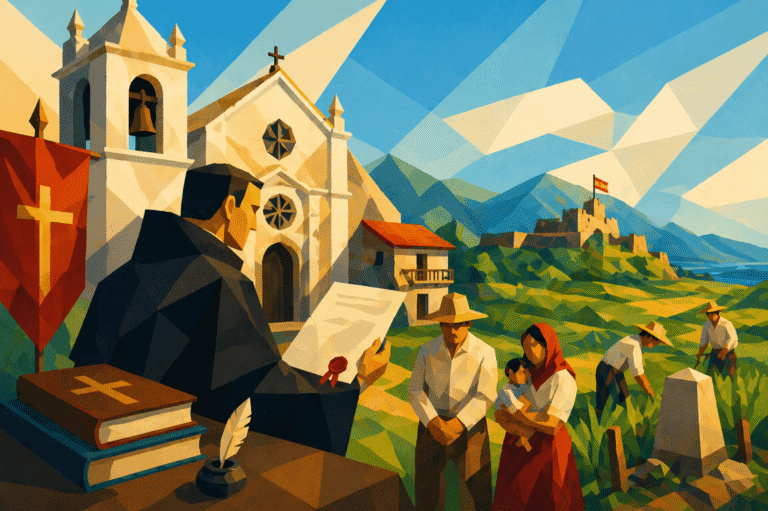
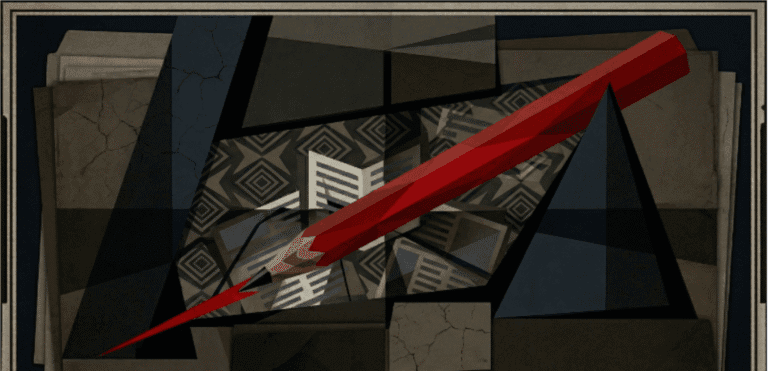
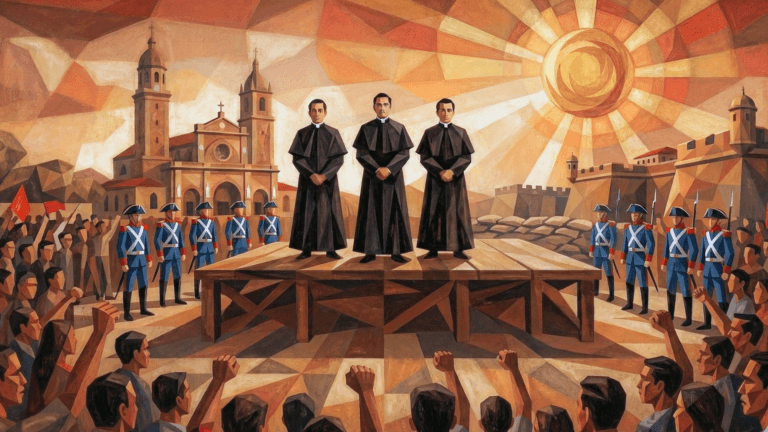
    If the execution of the Gomburza priests in February 1872 was the colonial government’s physical blow against dissent, the subsequent censorship regime was its psychological stranglehold. By 1874, the year the protagonist of The Mariquina Manuscript arrives in the Philippines, Manila had become a city of whispers. The vibrant, if brief, era of liberal expression…

  • Education of a Polyglot

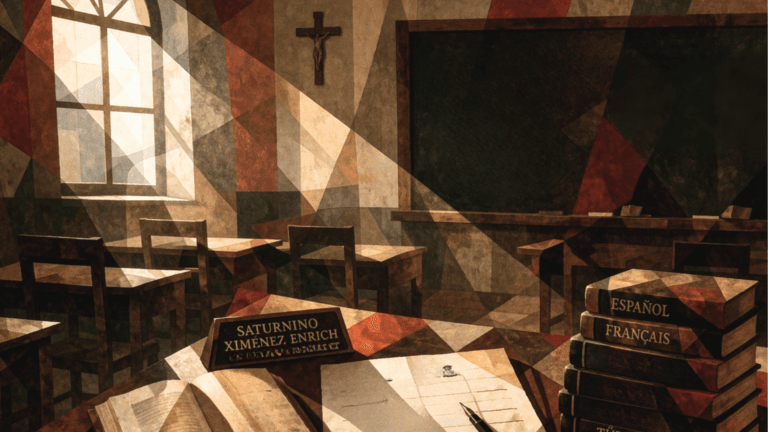
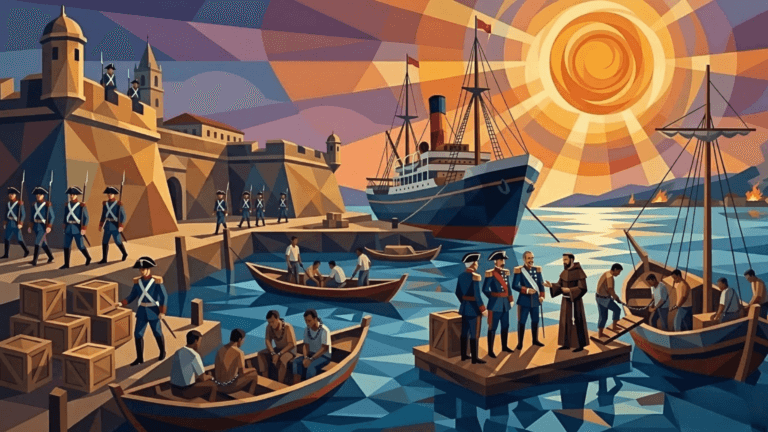
    (The Ghost Student and the Language of Empires) Saturnino Ximénez presented himself to the world as a man of immense erudition—a scholar capable of debating archaeology in the ruins of Ephesus or Russian literature in the salons of St. Petersburg. However, an archival forensic analysis of his educational background reveals a recurring pattern of fabrication….

  • The Red Cross Chronicler

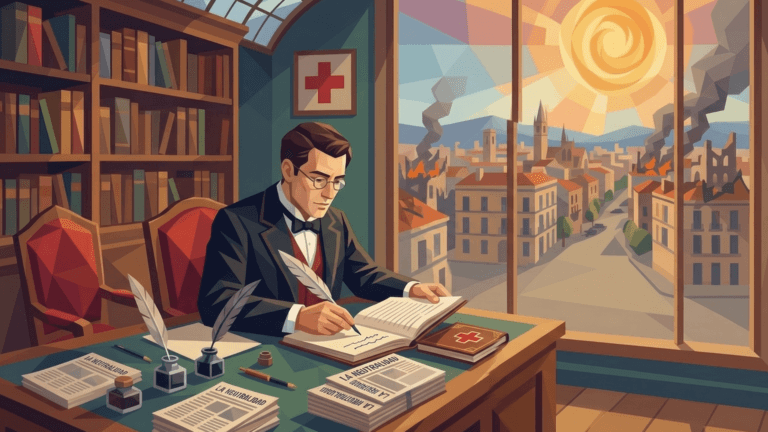
    (Saturnino’s First War for Civilization) While most young men of his generation were being conscripted to fight in the trenches of the Third Carlist War, the twenty-one-year-old Saturnino Ximénez was fighting a different kind of battle: a war for the “civilization” of conflict itself. Between 1874 and 1876, Saturnino emerged as the primary intellectual architect…

  • The Real Indiana Jones of Catalonia

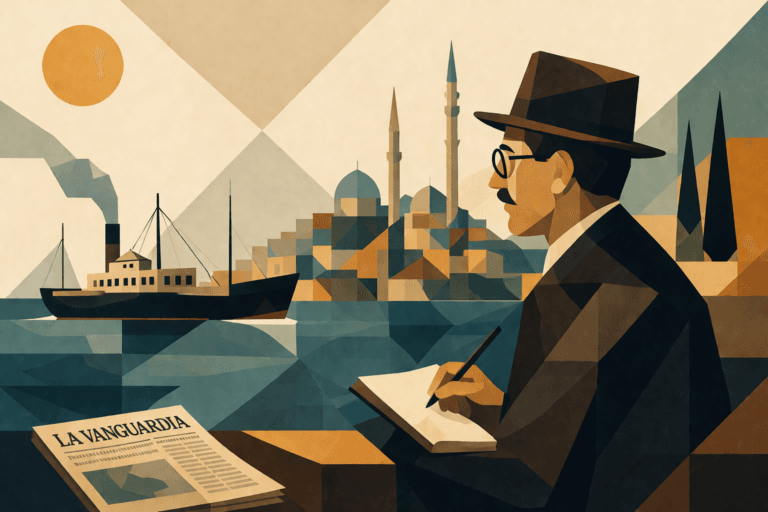
    On February 2, 1992, the Spanish newspaper ABC published a profile that would forever change the legacy of a forgotten Menorcan polymath. The headline read: “Saturnino Ximénez: Un ‘Indiana Jones’ Catalán.” The article drew a startling parallel between the whip-cracking cinematic hero and a real-life adventurer who had spent the late 19th century navigating the dangerous intersections of archaeology, war, and international espionage.

  • The Cantonal Rebellion

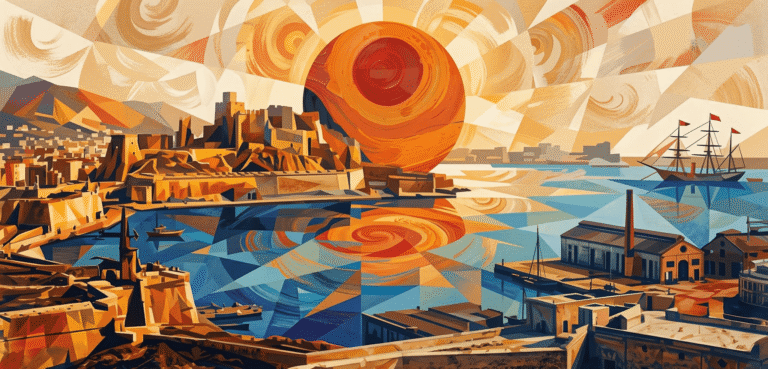
    To the outside world, the Cantonal Rebellion of 1873 was a political absurdity; to those trapped within the walls of Cartagena, it was a descent from euphoric idealism into a “Hell of Dante.” Saturnino, then a fervent federal republican in his twenties, chronicled this collapse in his 1875 work, Cartagena (Recuerdos Cantonales). Writing under the alter-ego of a mechanic named José, he captured the surreal atmosphere of a city that declared war on Madrid.