The Cavite Mutiny: Pretext for a Tragedy
This file serves as the essential context for the political tension simmering in 1874 Manila, the setting of "The Mariquina Manuscript." It details the administrative shift that ignited a "Reign of Terror" and set the stage for the judicial murder that would follow.
The year 1872 began with a spark that the Spanish colonial authorities quickly fanned into a conflagration. While the colonial government later painted the Cavite Mutiny as a grand, premeditated conspiracy to overthrow Spanish sovereignty, historical records suggest the roots were far more pragmatic: a labour dispute triggered by the "Iron Fist" policies of Governor-General Rafael de Izquierdo.
However, to understand why a localised mutiny spiralled into a national trauma, one must first understand the volatile political climate that preceded it.
The Administrative Shift: Reversing Liberalism
To comprehend the volatility of 1872, one must look back to 1868, when the "Glorious Revolution" in Spain overthrew Queen Isabella II. This seismic shift in the metropole led to the appointment of the liberal Governor-General Carlos María de la Torre in Manila (1869–1871). His brief tenure encouraged a rare climate of free expression and reform, during which press censorship was abolished, and open discussion was tolerated. For a brief moment, the Ilustrados—the educated Filipino class—believed they were on the threshold of a new era of equality.
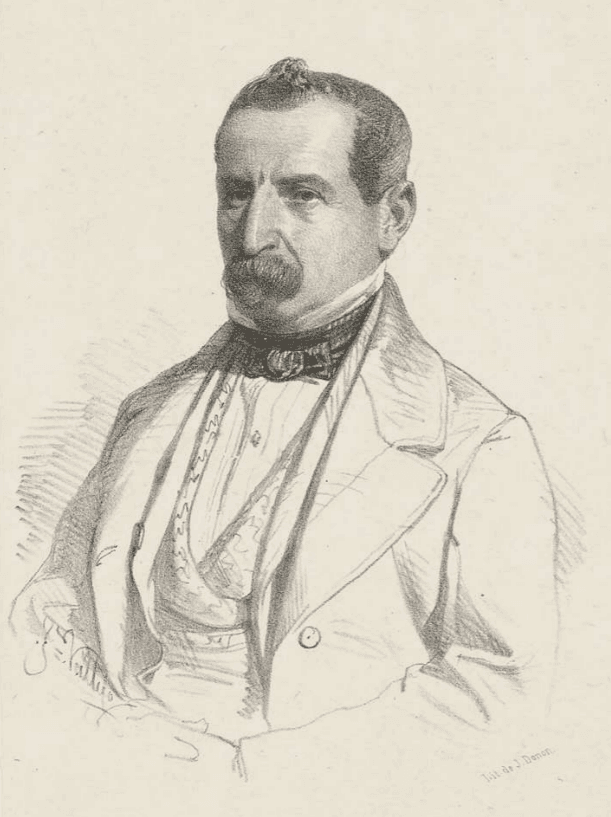
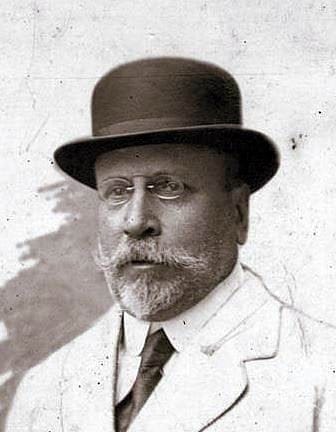
However, this window of openness was short-lived. With the restoration of a more conservative regime in Madrid, De la Torre was replaced by General Rafael de Izquierdo y Gutiérrez, who assumed office in April 1871. Izquierdo arrived with a mandate to reverse the liberalising measures of his predecessor and restore total colonial authority. He famously declared his intention to govern "with a crucifix in one hand and a sword in the other."
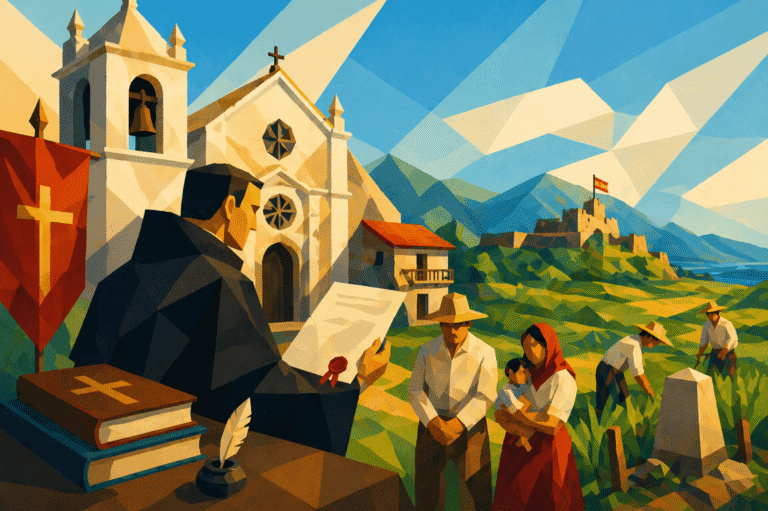
His administration immediately moved to suppress the burgeoning "Secularisation Movement"—a campaign led by native Filipino priests (seculars) to oversee their own parishes, a role traditionally dominated by the Spanish religious orders (the regulars). Izquierdo viewed this movement not merely as an ecclesiastical dispute, but as a political threat to Spanish sovereignty. He believed that native priests, by virtue of their influence over the local population, were the most dangerous potential architects of independence. His "Iron Fist" policies were designed to remind the native population and the mestizo intellectual class that the era of liberal reform was definitively over.
The Spark: Privileges Revoked
The tension created by Izquierdo’s hardline policies reached a breaking point on 20 January 1872. The immediate catalyst for the mutiny was his revocation of long-standing privileges enjoyed by the Filipino soldiers and arsenal workers at Fort San Felipe in Cavite, specifically their exemption from the tribute (tax) and polo y servicio (forced labour).
For generations, these exemptions had been respected as a right of the skilled workforce at the naval base. When the workers discovered these deductions in their pay envelopes, the sense of betrayal was instantaneous. That evening, approximately 200 soldiers and workers rose in arms, seizing the fort and killing the Spanish commander.
Tragically, the mutineers acted under a fatal misunderstanding. They believed a coordinated uprising was taking place in Manila and mistook the fireworks celebrating the feast of Our Lady of Loreto in the district of Sampaloc for a signal rocket indicating that the capital had risen. No such support arrived. The mutiny was brutally suppressed within two days by reinforcements despatched from Manila, and its leader, Sergeant La Madrid, was killed in the skirmish.
The Pretext: A Manufactured Conspiracy
Governor Izquierdo and the powerful friar orders seized upon this localised mutiny as a golden opportunity to silence dissent. Official reports magnified the event into a vast separatist conspiracy involving the native clergy, lawyers (abogadillos), and the educated class. Izquierdo claimed the mutiny was part of a broader plan to overthrow Spanish rule and install a new native king or hari.
This narrative provided the justification for a sweeping crackdown on the Secularisation Movement. The mutiny became the excuse the administration needed to decapitate this movement and eliminate the emerging Filipino liberal leadership. By framing a wage dispute as an act of treason, the state gained the legal authority to bypass civil protections and target its intellectual rivals.
The "Reign of Terror": Arrests and Exile
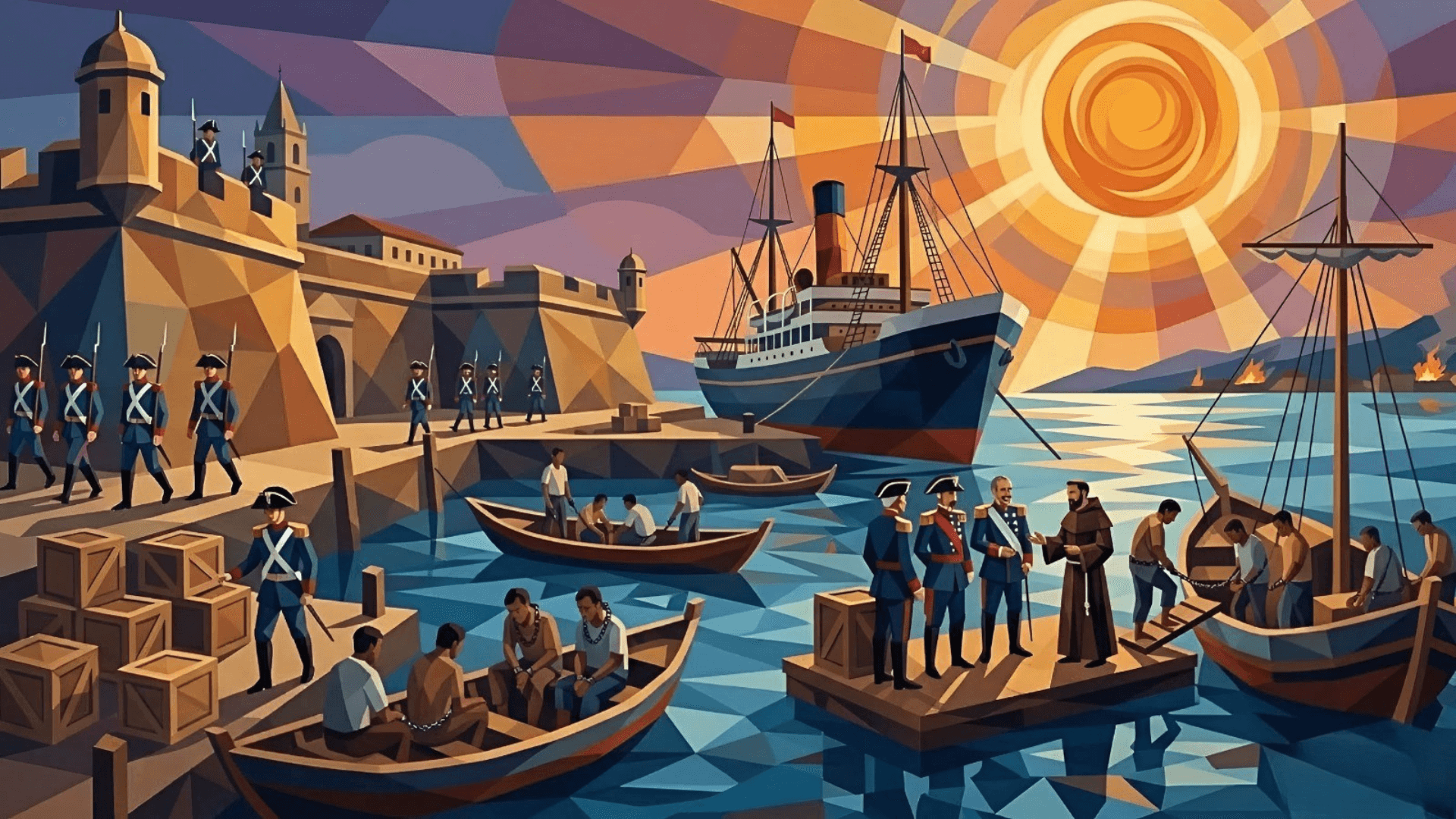
In the immediate aftermath, the colonial government unleashed what historian O.D. Corpuz described as a "Reign of Terror." The authorities arrested prominent reformists, lawyers, and businessmen—many of whom had no connection to the events in Cavite—based on the suspicion of harbouring liberal ideas.
Prominent figures such as Joaquin Pardo de Tavera, Antonio Ma. Regidor, and José Maria Basa were arrested, suspended from their professions, and sentenced to life imprisonment or deportation to the remote Marianas Islands. These men represented the pinnacle of the Filipino professional class; their removal was intended to leave the native population without intellectual guidance.
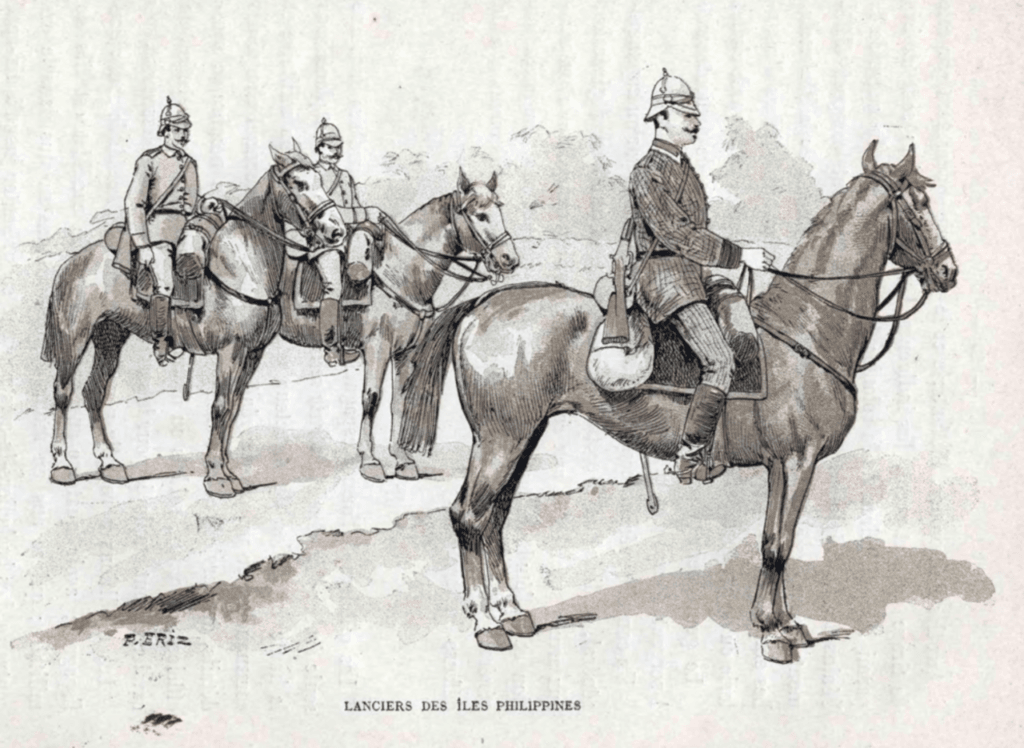
Izquierdo also dissolved the native artillery regiments, replacing them with a force composed exclusively of Peninsular Spaniards. This move signalled a deep and permanent distrust of the Filipino population. For the residents of Manila, the message was clear: any aspiration toward reform or equality would be treated as an act of war.
The Shadows of 1872
By February 1872, the prisons were full, and the intelligentsia of Manila had been silenced or scattered. The city had transformed from the vibrant, hopeful hub of the De la Torre era into a society defined by surveillance and fear. However, the Governor-General’s "Iron Fist" was not yet finished.
To fully crush the perceived threat, the state required a more permanent example—a public spectacle that would terrify the population into total submission. The authorities turned their gaze toward the leaders of the secular clergy: Fathers Mariano Gomez, José Burgos, and Jacinto Zamora. The stage was now set for a trial and execution that would become the most significant turning point in nineteenth-century Philippine history.
Saturnino’s Manila
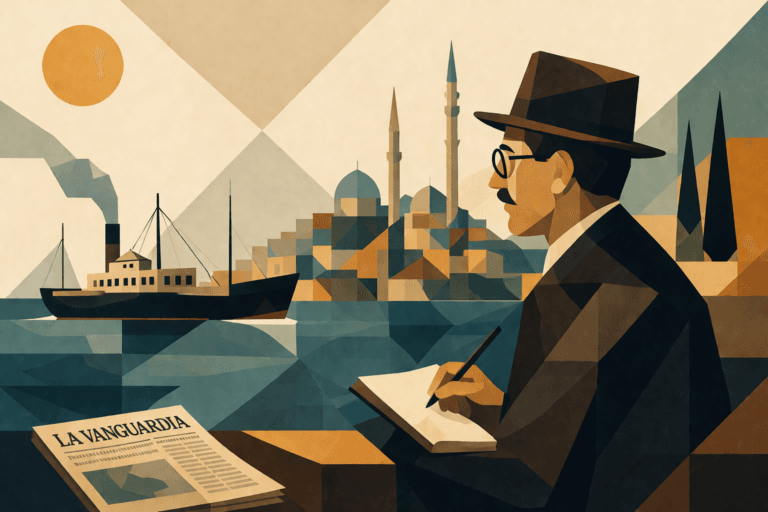
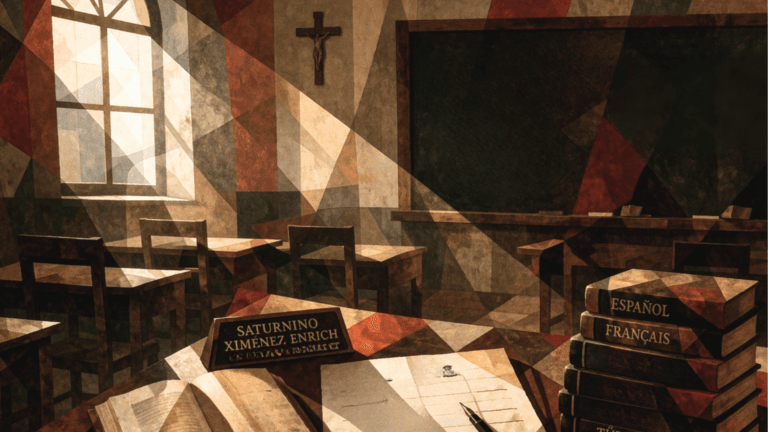
This climate of fear and restraint is the exact world encountered by Saturnino Enrich upon his arrival in Manila in 1873. The "Reign of Terror" was not a distant memory, but a living reality that shaped every social interaction and editorial decision. In The Mariquina Manuscript, this historical trauma provides the atmospheric pressure for the narrative; the protagonist moves through a city that is outwardly subdued, yet inwardly transformed by the events of 1872. Saturnino arrives just as the echoes of the "Iron Fist" are at their loudest, finding a society where the silence of the archives is often a matter of life and death.
Author’s Note on Sources and Interpretation
This archival essay accompanies The Mariquina Manuscript and is intended to provide historical context rather than a definitive academic account. The events described here—particularly those surrounding censorship, surveillance, and colonial repression after 1872—are drawn from established historical research, contemporary accounts, and later scholarly interpretations.
Where the historical record is incomplete, contested, or shaped by colonial bias, this piece adopts interpretations commonly advanced by Filipino historians and contextual historians of Spanish imperial rule. In a few instances, plausible reconstructions are used to illuminate the lived experience of the period; these are consistent with the known structures and practices of the time, though not always documented in surviving administrative records.
This approach reflects the same guiding principle as the novel itself: to remain faithful to historical reality while acknowledging the silences, distortions, and absences that define colonial archives.