The Gomburza Executions (1872)
This file details the seminal event that haunts the atmosphere of 1873 Manila, serving as the traumatic prelude to the events of "The Mariquina Manuscript."
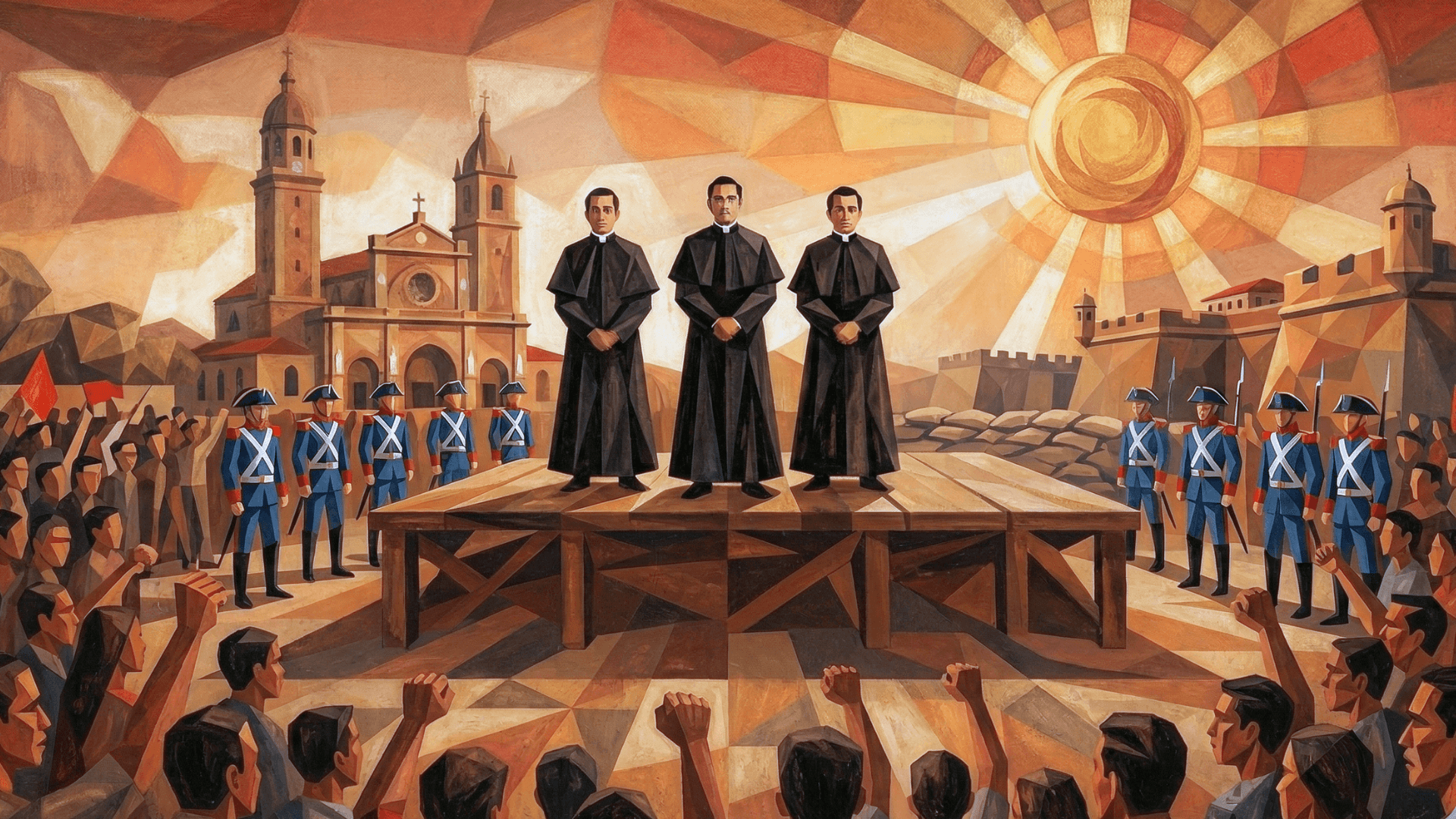
If the Cavite Mutiny of 20 January 1872 was the spark, the execution of Fathers Mariano Gomez, José Burgos, and Jacinto Zamora on 17 February was the conflagration that forged a nation. In the span of less than a month, the Spanish colonial government transformed a localised military uprising into a foundational martyrdom, inadvertently birthing the Filipino nationalist consciousness that would eventually dismantle their empire.
The Accused: Targets of the "Iron Fist"
To understand why three priests were executed for a military mutiny, one must look beyond the events at the Cavite arsenal. Governor-General Rafael de Izquierdo, whose "Iron Fist" administration was detailed in Archive File 002, viewed the liberalising trends of the Secularisation Movement as a direct threat to Spanish sovereignty. By advocating for native Filipino priests (seculars) to hold parishes, the movement challenged the "Frailocracy"—the immense power held by the Spanish religious orders (regulars).
The three accused priests represented the head and heart of this movement:
Father Mariano Gomez: The parish priest of Bacoor, Cavite. At 72 years old, he was the venerable patriarch of the Filipino clergy. His long history of defending the rights of native priests and his influence over the agrarian population of Cavite made him a primary target for an administration seeking to decapitate the reform movement.
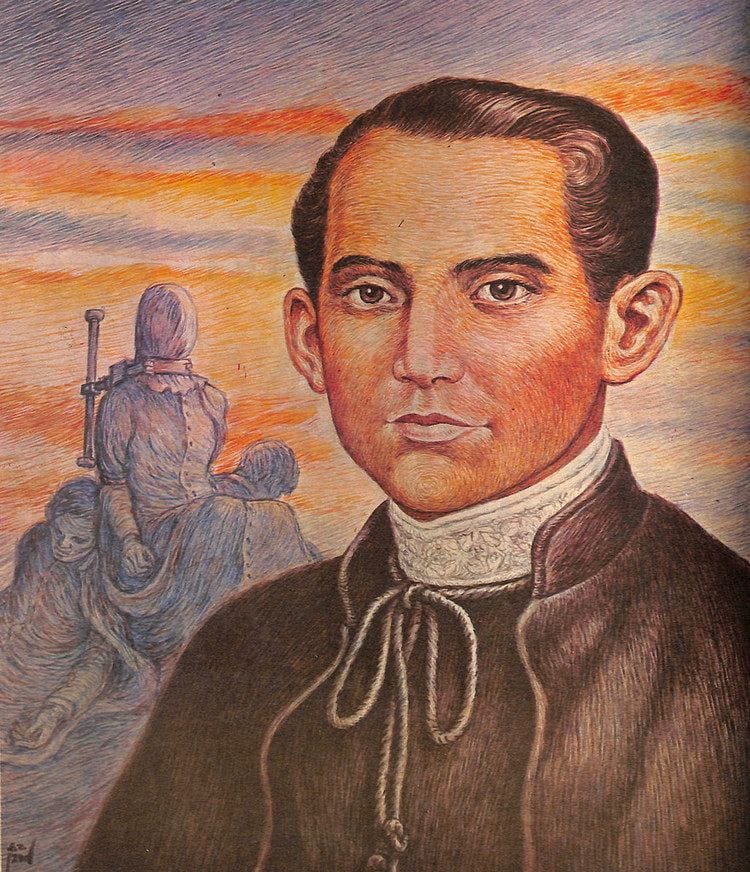
Father José Burgos: A brilliant Doctor of Theology and Canon Law at the University of Santo Tomas. At 35, he was the intellectual leader of the seculars and a vocal critic of the racial discrimination faced by native priests. His proximity to the liberal circles of Manila made him particularly dangerous to the conservative establishment.
Father Jacinto Zamora: The parish priest of Marikina (Mariquina). A close associate of Burgos and a fellow examiner of priests at the Cathedral, his inclusion in the conspiracy charge was a matter of tragic proximity and administrative convenience.
The Trial: A Mockery of Justice
Following the suppression of the Cavite Mutiny, Izquierdo’s administration magnified the event into a vast separatist conspiracy. The ensuing court-martial was swift, conducted in Spanish—a language many of the witnesses barely understood—and shrouded in secrecy.
The prosecution relied heavily on the testimony of Francisco Zaldua, a soldier who turned state witness. It is widely accepted by historians that Zaldua’s testimony was obtained under duress or through a promise of pardon that never materialised. He claimed that the three priests were the organisers of the mutiny and that they intended to establish a new government with Father Burgos as its head.
The most harrowing evidence presented was against Father Zamora. The authorities seized a note found in his possession regarding a social gathering. It mentioned having "powder and munitions" (polvora y municiones) ready. While it was common gamblers' slang for money and stakes at the card table, the military court-martial interpreted it literally as proof of an armed insurrection. This fatal misinterpretation, combined with Zaldua’s coached testimony, sealed the fate of the three men. On 15 February 1872, the council of war sentenced all three to death by garrote.
Church vs. State: The Archbishop’s Defiance
In the forty-eight hours leading up to the execution, a profound rift opened between the colonial state and the Church hierarchy. Governor Izquierdo demanded that the Archbishop of Manila, Gregorio Melitón Martínez, defrock the priests—stripping them of their clerical status and robes before they were led to the scaffold. This was intended to humiliate the men and distance the Church from their "treason."
In a stunning act of defiance, Archbishop Martínez refused. He maintained that the priests were innocent of the charges and had not violated canon law. By refusing to defrock them, he ensured they would die wearing their cassocks, visually reinforcing their status as martyrs of the Church rather than traitors to the state. Furthermore, he ordered the church bells of Manila to toll a mournful dirge at the hour of their death—a public, sonic contradiction of the state's narrative.
17 February 1872: The Field of Bagumbayan
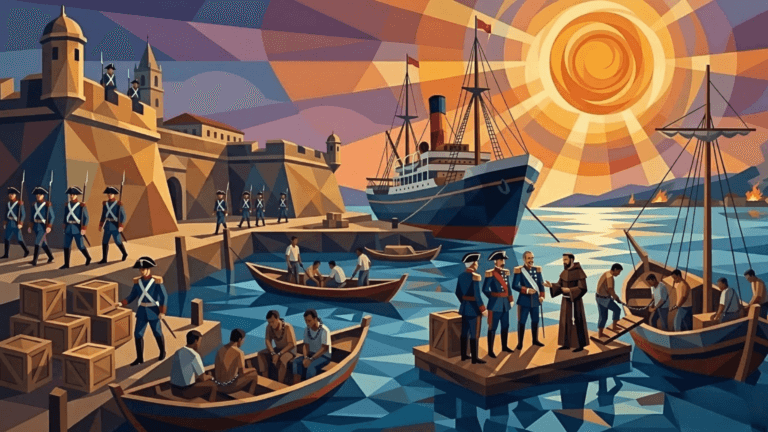
The execution took place at Bagumbayan field (now Luneta Park) before a massive crowd estimated at 40,000 Filipinos. Many had travelled from surrounding provinces, drawn by a mixture of shock and shared grief. The atmosphere was thick with a terrified silence, described by Spanish observers as "ominous" and "pregnant with suppressed fury."
The condemned men faced their ends in starkly different ways:
- Francisco Zaldua, the state witness, was executed first. His hope for a last-minute pardon was extinguished only when the iron collar was tightened.
- Father Gomez, the eldest, displayed a calm, stoic resignation. He reportedly told those attending him, "Father, I know that not a leaf falls to the ground but by the will of God. Since He wills that I should die here, His holy will be done."
- Father Zamora, having suffered a total mental collapse in the days following the sentencing, was led to the scaffold in a state of vacant, silent shock. He died seemingly unaware of his surroundings.
- Father Burgos, the youngest, wept and protested his innocence to the final moment. He cried out, "But I have not committed any crime!" To which his confessor replied, "Even Christ was innocent."
All three were killed by the garrote, a device that slowly strangulates the prisoner by tightening a metal band around the neck.
The Aftermath: A Nation Awakened
The Spanish authorities intended the executions to be a terrifying deterrent. Instead, the sight of the priests dying in their clerical robes shattered the psychological hold of the colonial government. The crowd did not disperse in submission; they dispersed in a state of collective trauma that soon turned into a radicalised nationalism.
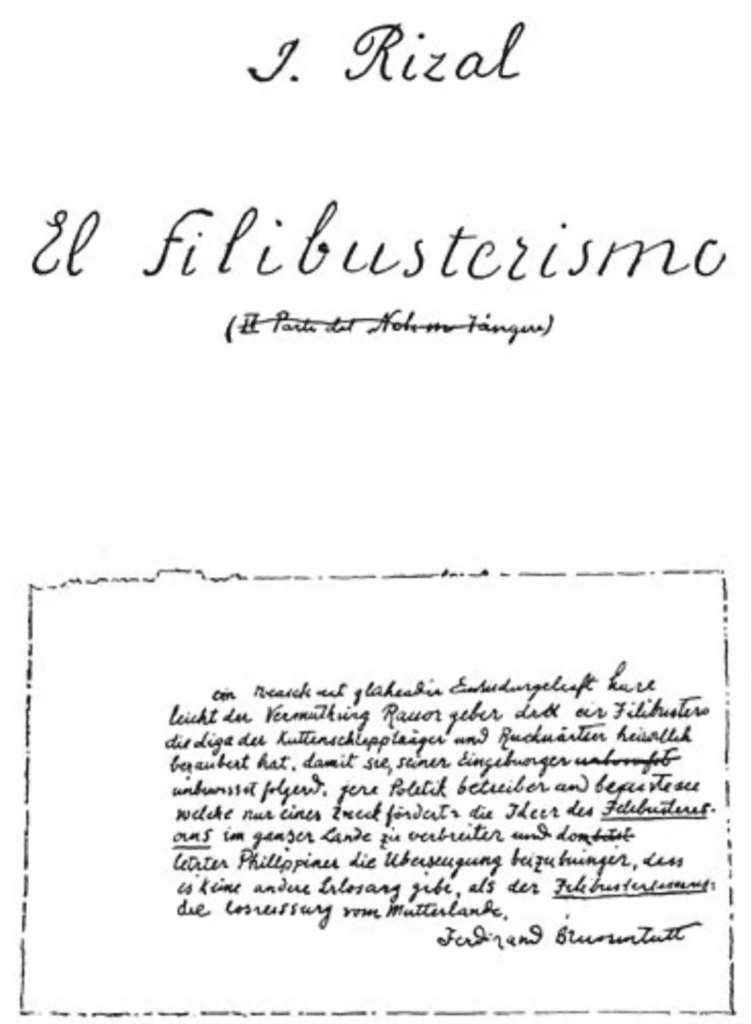
The three priests were no longer individuals; they became a singular entity: "GomBurZa." Their name became a password for the burgeoning resistance movement. The event profoundly impacted a young José Rizal, then only ten or eleven years old. He would later write that without 1872, he would have likely become a Jesuit and written entirely different, non-political works. Instead, he dedicated his subversive second novel, El Filibusterismo, to the memory of the three priests, explicitly linking their sacrifice to the awakening of the Filipino spirit.
Connection to the Manuscript
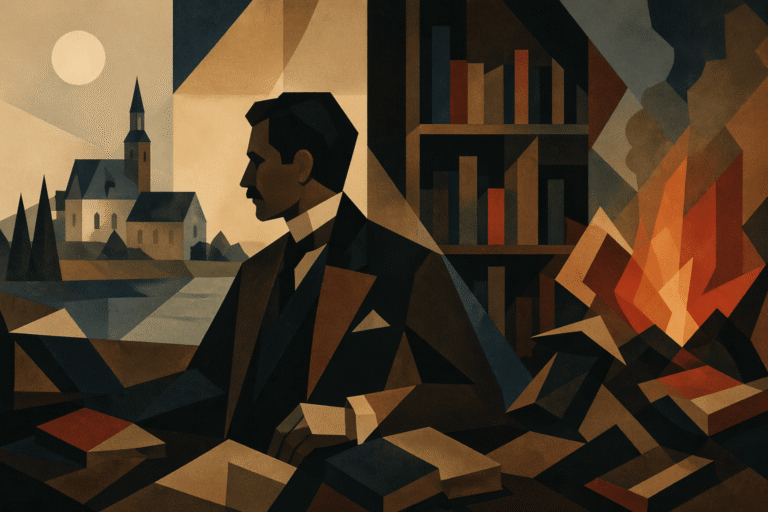
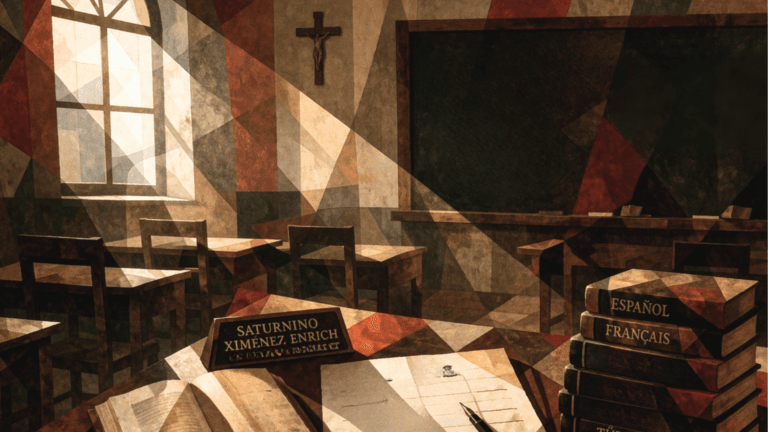
By 1873, the year Saturnino Enrich navigates Manila in The Mariquina Manuscript, the city is still suffocating under the "Reign of Terror" initiated by this event. For the protagonist, the Gomburza executions represent the ultimate censorship—the point where the colonial state proved it would go to any lengths, including judicial murder, to protect itself. In the novel, the mystery of the Hacienda Rizalino is inextricably linked to the same power structures that demanded the deaths of Gomez, Burgos, and Zamora just one year prior.
Author’s Note on Sources and Interpretation
This archival essay accompanies The Mariquina Manuscript and is intended to provide historical context rather than a definitive academic account. The events described here—particularly those surrounding censorship, surveillance, and colonial repression after 1872—are drawn from established historical research, contemporary accounts, and later scholarly interpretations.
Where the historical record is incomplete, contested, or shaped by colonial bias, this piece adopts interpretations commonly advanced by Filipino historians and contextual historians of Spanish imperial rule. In a few instances, plausible reconstructions are used to illuminate the lived experience of the period; these are consistent with the known structures and practices of the time, though not always documented in surviving administrative records.
This approach reflects the same guiding principle as the novel itself: to remain faithful to historical reality while acknowledging the silences, distortions, and absences that define colonial archives.