The Russian Tragedy
Splendor, Exile, and the 25,000 Books
If the African chapters of Saturnino Ximénez’s life read like an adventure novel, his Russian years read like a tragedy by Tolstoy. Sometime before the outbreak of the First World War, the peripatetic journalist ceased his wandering. In Cairo, he had met Natalia Turbin Conradi, a Russian noblewoman and daughter of a prestigious imperial general. This union transformed the once-struggling agent into a man of immense wealth, elevating him to the status of a "Prince Consort" in a dying empire. He settled on the family estate at Staritselo, embracing a life of splendor that would eventually be brutally extinguished by the fires of the Bolshevik Revolution.
The Library of Babel
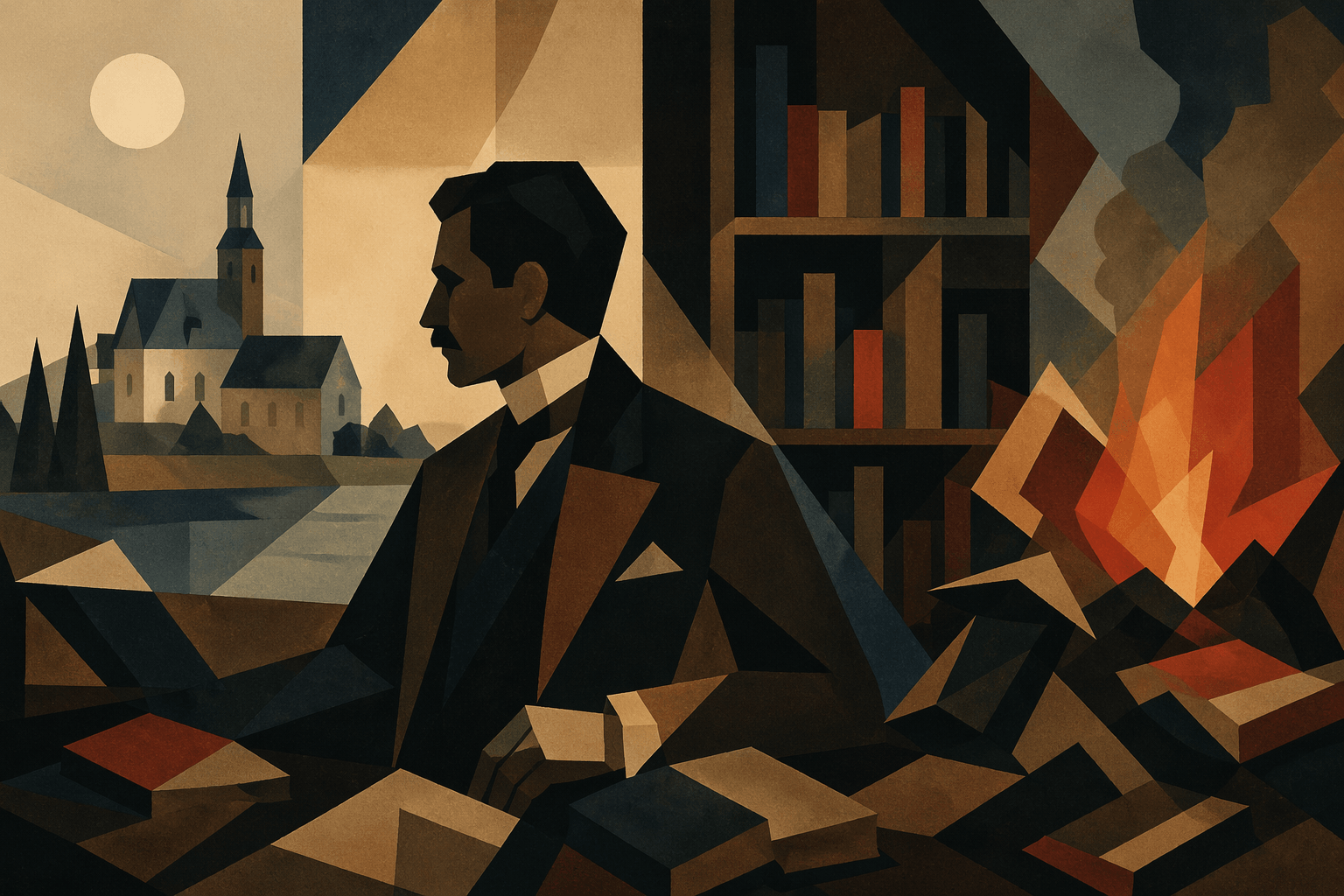
For a few golden years, Saturnino realized the ultimate dream of the 19th-century intellectual: unlimited resources, a high social station, and quiet seclusion. At Staritselo, he transitioned from a man who reported on history to a man who curated it. He amassed a legendary private library of 25,000 volumes—a collection that was not merely a library, but a museum. It housed rare manuscripts, historical weaponry, and antique furniture gathered from his decades of travel across the Orient and Europe.
Secure in his study, he became a profound scholar of his adopted homeland. He authored Bosquejos de la Historia de la literatura rusa (Sketches of the History of Russian Literature), providing one of the most comprehensive Spanish-language analyses of the Russian soul, from the chronicles of Nestor to the existentialism of Dostoevsky and Tolstoy. Remarkably, he even claimed the distinction of being the first translator of Anton Chekhov into Spanish. The "spy" had successfully reinvented himself as a true man of letters, protected by a fortress of paper and ink.
The Red Cataclysm (1917–1918)
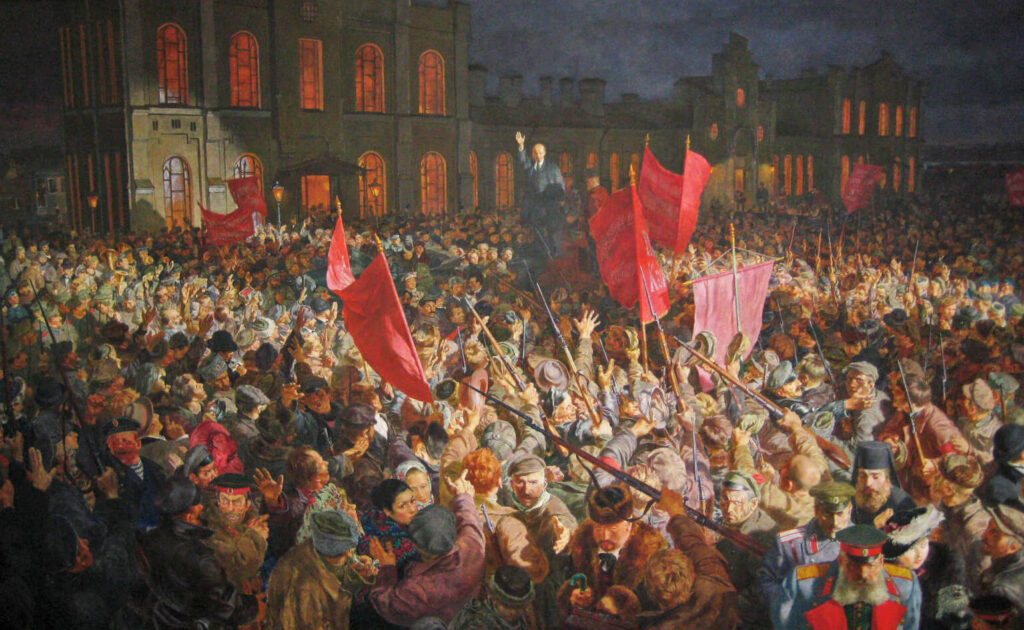
The idyll ended with the thunder of 1917. The Ximénez-Turbin estate, located in the volatile borderlands of Eastern Europe, became a thoroughfare for the chaotic, retreating and advancing armies of the Civil War. Staritselo was overrun successively by Bolshevik militias, German troops, and Cossack units.
The family’s ordeal was harrowing. The file records a moment of desperate, tactical foresight by Natalia Turbin: during one incursion, as Red militiamen confined the family to a single room, Natalia went to the cellar and used a cane to smash their entire stock of vintage wine. She knew that a drunken militia was a murderous one; by destroying the wine, she likely saved their lives.
Saturnino, however, suffered a different kind of death. He watched as his world was physically dismantled. In his later correspondence with the Ateneo de Mahón, he recounted the trauma of seeing his "beloved books burned" and his collections looted. The 25,000 volumes—the physical manifestation of his life’s intellect—were reduced to ash.
The Flight of the Eagle
The escape from Russia was as cinematic as any of his fictionalized memoirs. With the estate lost, the family fled via a refugee train to Minsk, only to be trapped for a year while the city was besieged by Polish troops during the Polish-Soviet War. They survived on potato peels in a city ruled by hunger, cold, and typhus.
Finally, utilizing the last remnants of his diplomatic cunning, Saturnino arranged an escape to Warsaw. According to family lore, the once-wealthy "prince" traveled in a simple carriage with a Spanish flag draped over the hood—a thin, symbolic shield intended to ward off attacks. They reached Western Europe not as visiting dignitaries, but as dispossessed refugees, stripped of everything but their names.
The Bitter Observer (1919–1921)
Upon returning to the West, Ximénez resumed his post at La Vanguardia, but the objective journalist of his youth was gone. He had become a bitter witness to the "Soviet Civilization," which he described as a "horde of adventurers" who enriched themselves on the spoils of an empire while the people starved.
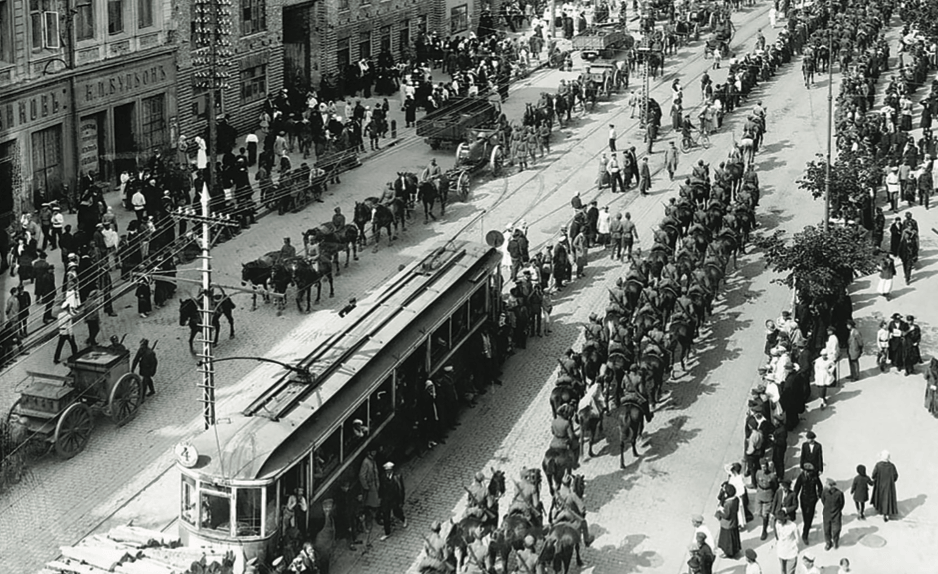
His writing from this period chronicled the cultural genocide he had witnessed firsthand. In a moving 1921 article on the death of the anarchist Prince Kropotkin, Ximénez lamented that the Soviets had allowed the old revolutionary to die of misery, calling it a "supreme outrage." He reported with dark irony that the "House of Scholars" in Petrograd had become a "House of the Starving," where the intelligentsia he had once been part of was being systematically extirpated.
Status Assessment: Post-1920
The Russian tragedy broke Saturnino Ximénez’s finances, but not his spirit. Though he was forced to spend his final years in the modest Hotel Orfila in Paris, he carried the memory of his lost 25,000 books as a phantom limb. He had learned the hardest lesson of the 20th century: that civilization is a fragile veneer, and that a library of a lifetime burns just as easily as a single page.
He spent his remaining years under the patronage of Francesc Cambó, dreaming of "reconstituting his hacienda" and retiring to a quiet cove in Menorca—a dream that was cut short by a motorcycle on a Parisian street in 1933.