The Censor’s Red Pencil
If the execution of the Gomburza priests in February 1872 was the colonial government’s physical blow against dissent, the subsequent censorship regime was its psychological stranglehold. By 1874, the year the protagonist of The Mariquina Manuscript arrives in the Philippines, Manila had become a city of whispers. The vibrant, if brief, era of liberal expression under Governor-General Carlos María de la Torre had been decisively terminated, replaced by a pervasive silence enforced by the "Iron Fist" of his successor, Rafael de Izquierdo, and maintained by the administrative machinery of the state.
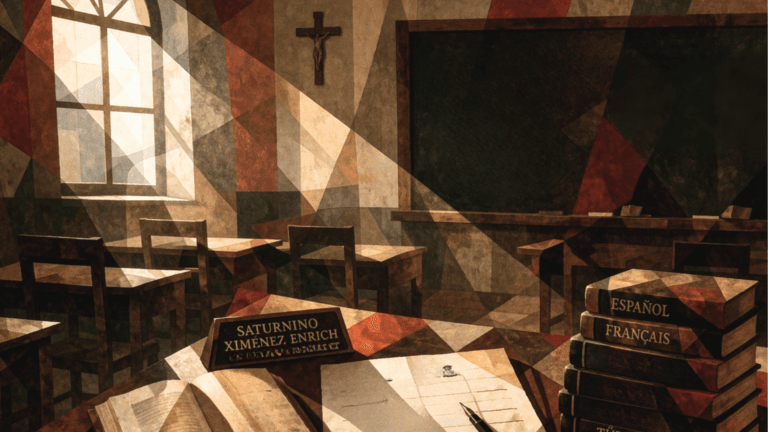
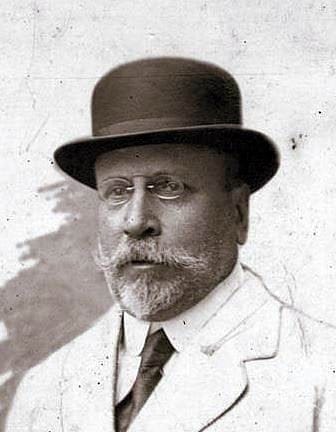
To understand the peril facing a journalist like Saturnino, one must understand the entity that looked over his shoulder: the Comisión Permanente de Censura (Permanent Commission of Censors).
The Machinery of Silence
Established in 1856, the Commission was the ultimate arbiter of what could be read, written, or performed in the archipelago. It was not merely a secular bureaucratic office; it was a hybrid hydra of Church and State. The body was composed of censors appointed by the Governor-General and by the Archbishop of Manila. This structure underscored the inseparable nature of colonial authority—to criticise the State was viewed as subversion; to criticise the Church was denounced as heresy.
The Commission operated under the strict Reglamento de Asuntos de Imprenta (Rules of Printing Matters) of 1857. This code mandated that no publication could be printed without a government licence and a rigorous prior review.
The censors wielded absolute power to redact or reject content that was deemed to attack the dignity of the Spanish Crown, the dogmas of the Catholic Church, or the "prestige" of the colonial administration. In the colonial context, "prestige" was a broad and dangerous term, often interpreted to mean any information that might suggest Spanish vulnerability or native intellectual equality.
The "Journalism of Omission
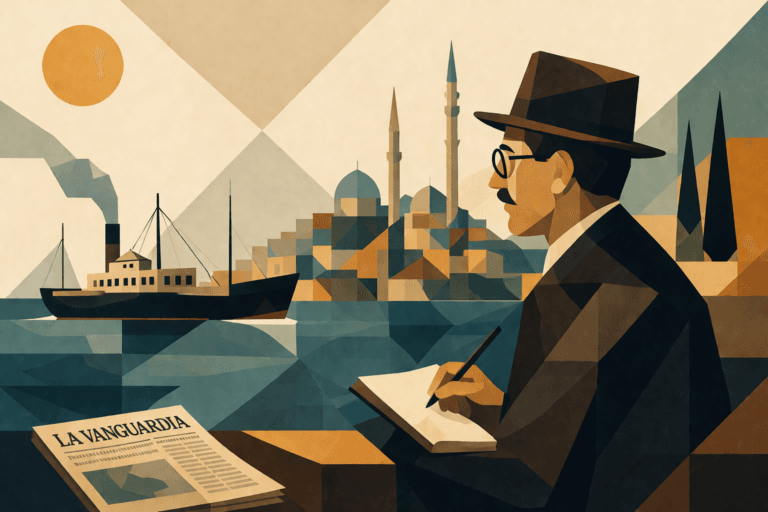
In the wake of the Cavite Mutiny, Governor Izquierdo blamed the "unruly Spanish Press" for disseminating the liberal ideas he believed had incited the rebellion. Consequently, the screws were tightened. Newspapers that survived the initial crackdown, such as the Diario de Manila and El Comercio, were forced into a survival strategy that historians have described as a "journalism of omission."
For a writer in 1873, the path to publication was narrow and deliberately dull. Editors were acutely aware that a single subversive adjective could lead to the shuttering of their presses and the exile of their staff. Consequently, the pages of Manila’s dailies were dominated by what was deemed "safe" content: shipping schedules, the fluctuating price of sugar, official appointments of parish priests, and exhaustive descriptions of religious festivals.
The great political upheavals occurring simultaneously in Europe—the abdication of King Amadeo in Spain, the proclamation of the First Republic, and the bloody Third Carlist War—were reported only as dry, belated facts. Any commentary that might incite local passions or draw parallels between Spanish republicanism and Filipino aspirations was ruthlessly excised. This created a paradoxical information environment where the public was informed of global events but forbidden from discussing their meaning.
Dangerous Books: The Customs Barrier
The Censor’s red pencil did not stop at the printing press. The Commission acted as the local enforcer of the Index Librorum Prohibitorum, and the customs officers at the port of Manila served as the first line of defence against the "infection" of foreign ideas. Every crate of books arriving from Europe was impounded until it could be vetted by a member of the Commission.
The definitions of "sedition" were alarmingly broad. While political tracts by Voltaire or Rousseau were obvious targets, scrutiny extended to seemingly innocuous works. Mathematical texts were often held pending review to ensure they contained no hidden codes, and dictionaries were examined for subversive definitions.
Perhaps most illustratively, Daniel Defoe’s Robinson Crusoe was viewed with deep suspicion. To the modern mind, this seems absurd, but to the 19th-century Spanish censor, Crusoe’s themes of self-reliance, his ability to build a world outside of a monarchical hierarchy, and his "civilising" relationship with Friday were seen as potentially emboldening to the native population. For the Ilustrados—the educated Filipino class—possessing a banned book was a crime that could lead to imprisonment or deportation to the remote Marianas Islands. Reading had become a clandestine, high-stakes act of rebellion.
The Black Chamber: Surveillance of Correspondence
While the censorship of print was public and codified, a more insidious form of control operated in the shadows. Historians and contemporaries suspected the existence of a clandestine department dedicated to the opening and reading of private mail.
Although direct bureaucratic records of such a systematic operation are scarce—censors rarely leave a paper trail of their own illegalities—the circumstantial evidence is substantial. In his correspondence, Governor Izquierdo frequently demonstrated a level of knowledge regarding the private thoughts of Filipino reformers that could only have been obtained through intercepted letters.
In this climate of paranoia, the inviolability of private correspondence was a luxury the state could not afford. Filipino activists and their sympathisers in Madrid assumed their letters were being read. This forced them to rely on clandestine couriers—often sympathetic sailors or merchants—and the use of complex pseudonyms and codes. This "Black Chamber" created a panopticon of the mind; even if one’s mail was not being opened, the fear that it might be was enough to enforce a self-imposed silence.
Survival Strategy: The "Safe" Article
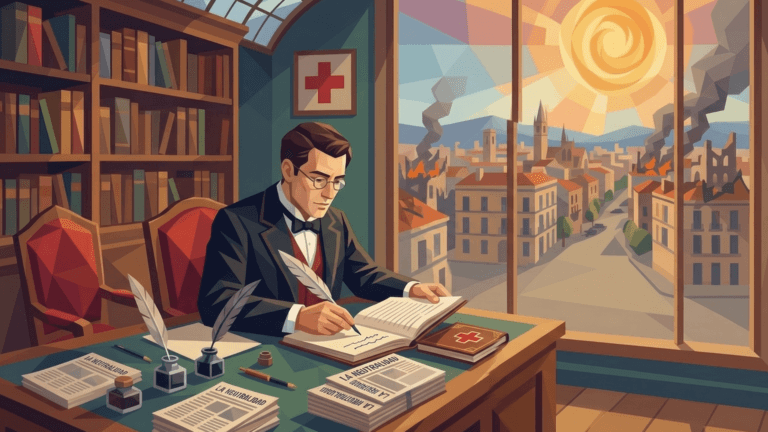
For Saturnino, the professional reality of 1873 is defined by this red pencil. As a journalist, he exists within the tension between his desire to report the truth and the necessity of his own survival. He cannot write about the injustice of the land grabs in the provinces or the lingering trauma of the Gomburza execution. To maintain his cover and continue his investigation, he must master the art of the "safe" article.
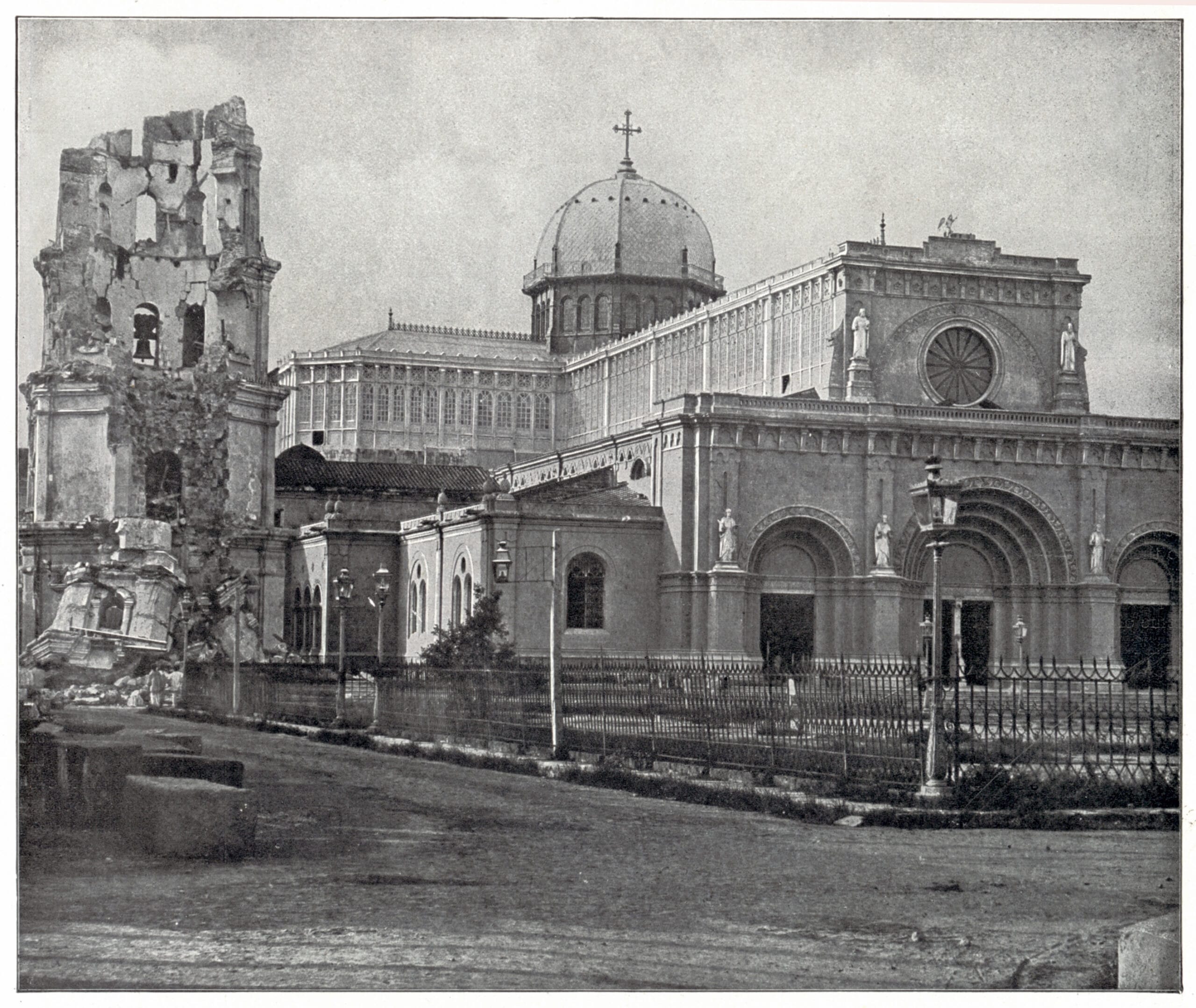
In the novel, Saturnino navigates this by writing about the reconstruction of the Manila Cathedral, praising the "resilience" of the faithful while ignoring the political squabbles and corruption delaying the project. He writes about "historical agricultural practices" in the Mariquina Valley to justify his presence there, while secretly hunting for the evidence of a suppressed history that the Censor’s red pencil had missed.
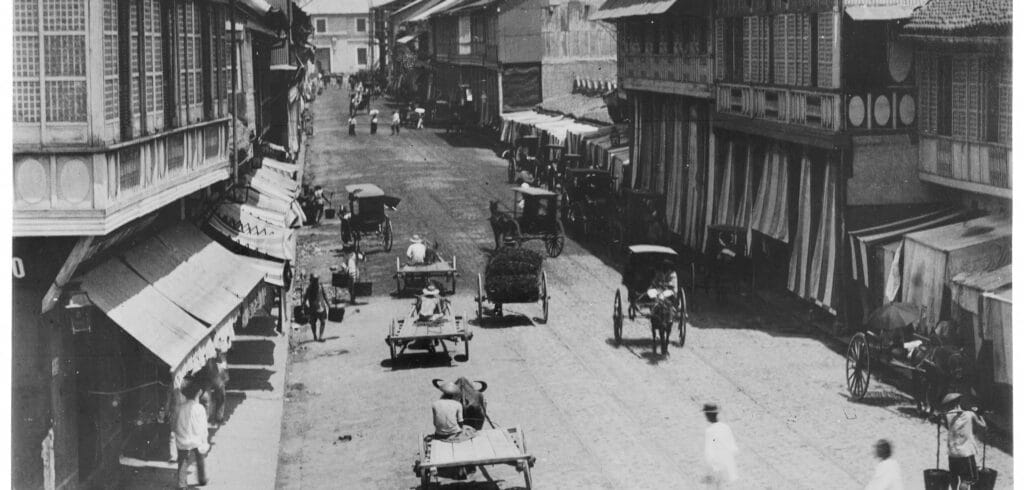
This duality defines the era. On the surface, 1873 Manila was a city of pious processions, bustling river trade, and loyal subjects. Beneath that surface, however, was a pressure cooker of silenced grievances and suppressed history, kept in check by the Guardia Civil on the streets and the Censor’s red pencil in the press. It was a world where the most dangerous thing a man could do was tell the truth.
Author’s Note on Sources and Interpretation
The details regarding the Comisión Permanente de Censura and the 1857 Reglamento de Asuntos de Imprenta are based on documented Spanish colonial administrative records. The characterisation of "Journalism of Omission" is a common theme in the study of 19th-century Philippine historiography, particularly in the works of Retana and later Filipino scholars.
The existence of a "Black Chamber" for postal surveillance remains a subject of historical debate; while systematic records are elusive, the pervasive fear of such a mechanism is well-documented in the memoirs and letters of contemporary Filipino reformers. This article, like the novel The Mariquina Manuscript, seeks to recreate the psychological weight of this censorship, acknowledging that the silence of the archives is often the most significant evidence of the Censor’s success.