Banned Books: Why Robinson Crusoe was Dangerous
If you were to compile a list of the most dangerous threats to the Spanish Empire in 1870s Manila, you might think of armed rebellions, smuggled rifles, or fiery political pamphlets. You probably wouldn’t include a fictional Englishman stranded on a deserted island with a goatskin umbrella and a pet parrot. Yet, to the colonial authorities and the Comisión Permanente de Censura, Daniel Defoe’s Robinson Crusoe was a terrifying piece of "contraband of the mind."
Established in 1856, the Commission was tasked with reviewing every single piece of printed material that sought to enter the Philippines. Following the paranoia of the 1872 Cavite Mutiny, the colonial government was in a state of existential panic, desperately trying to shield the local population from the "poison" of European liberalism. As a result, the censors applied their rules with maximalist, and often highly absurd, vigor.
So, what exactly was so terrifying about a fictional castaway?
The Crime of "Conjuring"
The most specific, and frankly hilarious, charge leveled against Robinson Crusoe by the Spanish censors was that the protagonist practiced a form of "conjuring."
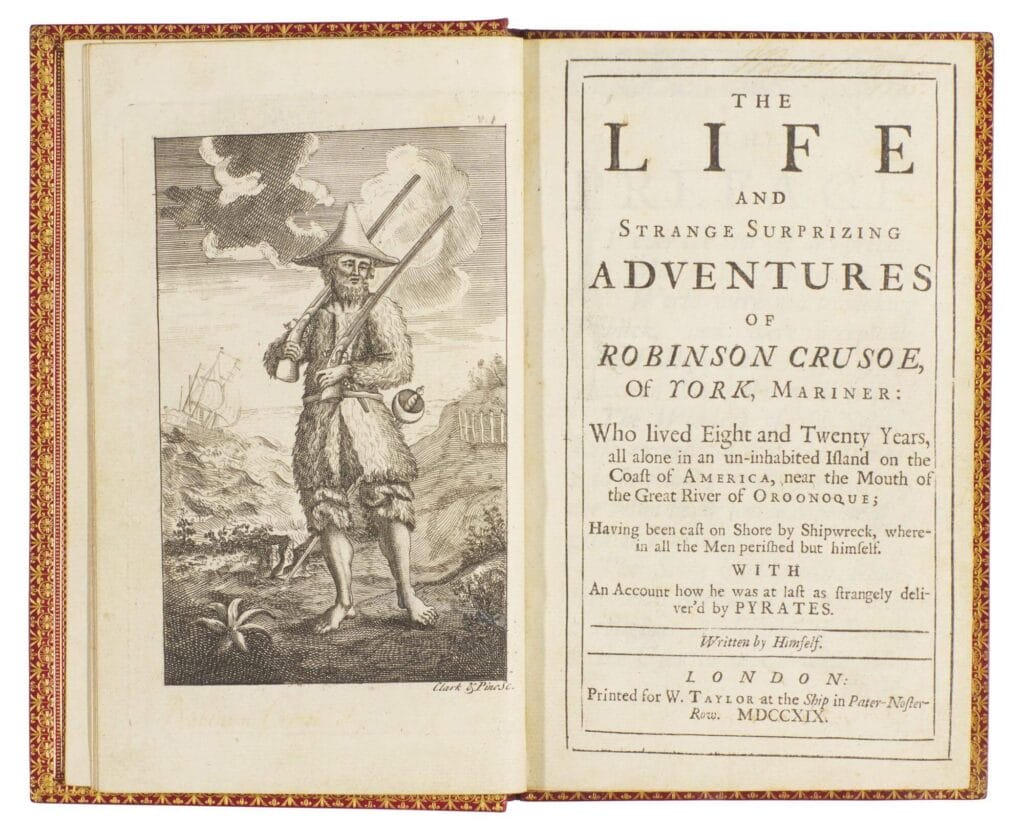
Crusoe, stuck on an island, relies on empirical observation to survive. He pays attention to "odds and likelihoods," observes weather patterns, and eventually learns to predict the seasons of rain and drought. Today, we call this basic meteorology and common sense. But to the medieval-minded censors of 19th-century Manila, calculating weather patterns through reason and observation rather than relying entirely on prayer was a heretical arrogance. By using empirical science to master his environment, Crusoe was seen as defying Divine Providence.
The DIY Protestant Ethic
Beyond the scandalous act of predicting the weather, Robinson Crusoe represented a fundamental threat to the authority of the Spanish friars. Crusoe is completely alone, yet he manages to establish a direct, personal relationship with God simply by reading a salvaged Bible and reflecting on it.
In 1874 Manila, the religious orders firmly maintained that the Bible was a highly dangerous tool if placed in the hands of the unsupervised "native," who might misunderstand or misinterpret the text. Crusoe’s solitary piety was the ultimate Protestant nightmare: literary proof that a human soul could achieve grace and survival entirely unmediated by the sacraments or the priesthood.
The Danger of Competence
Furthermore, the colonial government wanted dependent subjects, not independent citizens. Following the rollback of liberal education reforms by Governor-General Izquierdo, the state was terrified of the emerging educated Filipino middle class (the Ilustrados), fearing that the "poison" of knowledge would undermine "native respect for the whites."
Robinson Crusoe is the archetype of the "self-made man." He builds an entire civilization from scratch using only his wits, labor, and a few salvaged tools. For the censors, this narrative was a potent, dangerous poison. If the educated colonial subjects read Defoe, they might begin to see themselves not as dependents requiring the paternalistic guidance of the Spanish Crown, but as rational agents perfectly capable of making their own fortunes.
Triangles of Treason
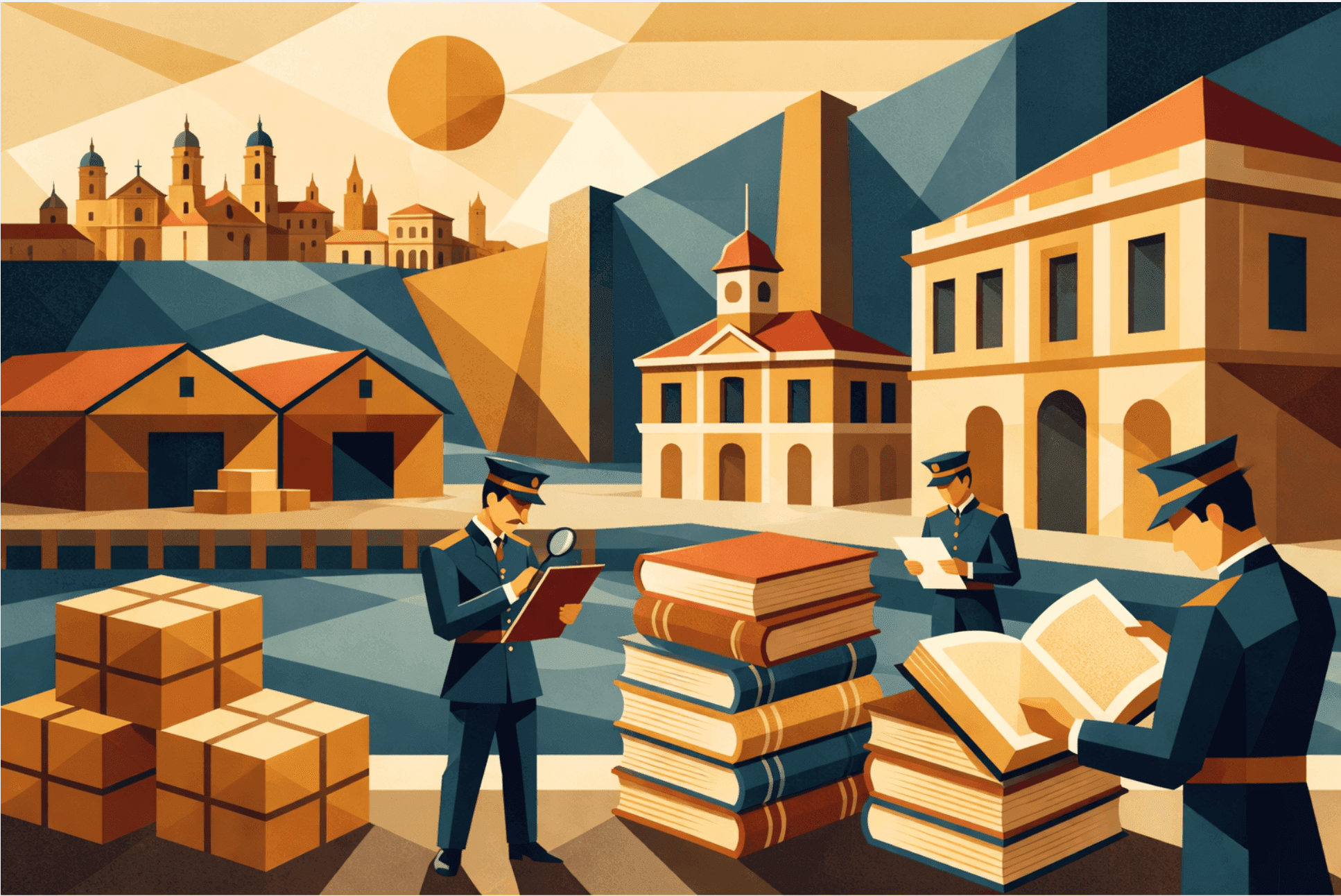
If banning a novel about a castaway seems like an overreaction, it was merely the tip of the iceberg. The censors' dragnet at the port of Manila was famously broad and indiscriminately absurd.
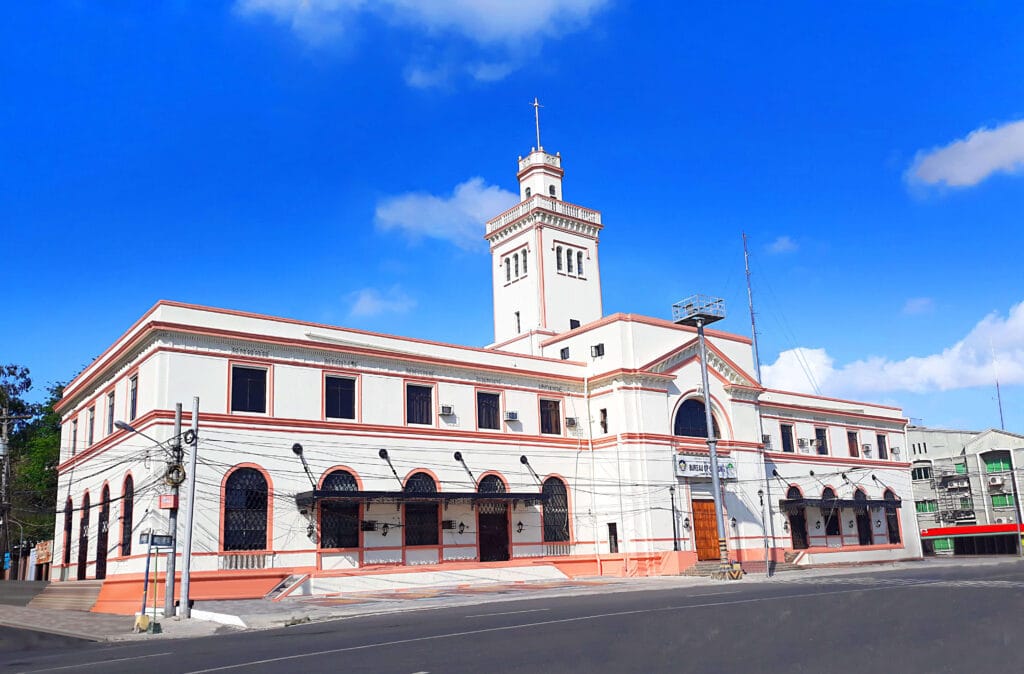
Customs officers scrutinized not only political tracts and novels but also mathematical texts and dictionaries. Why? Because the authorities feared that "subversive" ideas might be secretly hidden within geometric proofs, or that dictionaries represented a form of "modern" education they explicitly wished to deny the populace. These impounded books would sit languishing in the humid warehouses of the Aduana (Customs) for months on end, waiting for a censor who was "competent (or patient) enough" to review them.
The Supreme Irony
In the end, the prohibition of Robinson Crusoe highlights the supreme irony of 1874 Manila. The Spanish authorities sought to project total control, yet their censorship regime revealed a deep, fundamental fragility. By banning dictionaries, math books, and novels about resourceful castaways, they inadvertently transformed them into symbols of liberation. It turns out that when an empire is terrified of a fictional man predicting the rain, it’s only a matter of time before the actual storm arrives.