
Steamship Timetables, the Larrinaga Line and a Full Moon
At the core of The Mariquina Manuscript, Sadurní Enrich travels from Cartagena to Manila in 1874, with his route aligned to Larrinaga Line steamship schedules via the Suez Canal and his arrival refined to match a historically accurate full moon during a key scene in Intramuros.
Every historical fiction author knows the terror of the timeline. You can invent characters and imagine dialogue, but you cannot bend the physical realities of the 19th century. For The Mariquina Manuscript, I faced a very specific chronological puzzle.
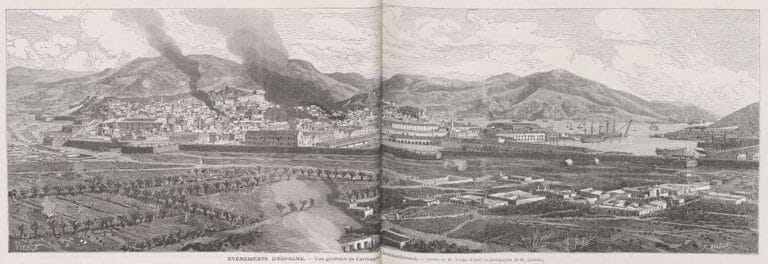
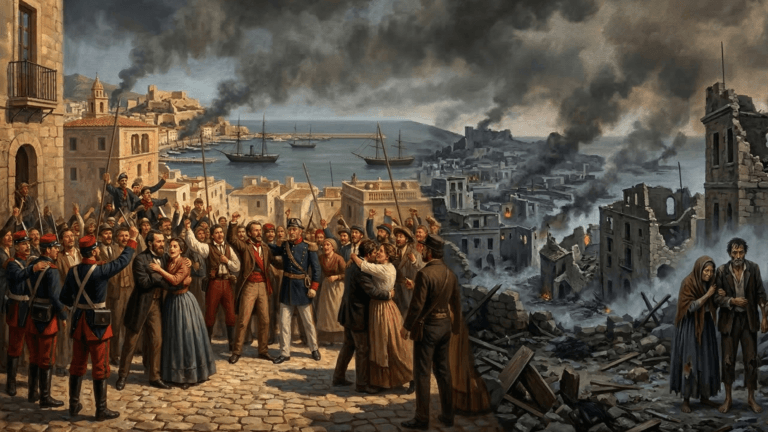
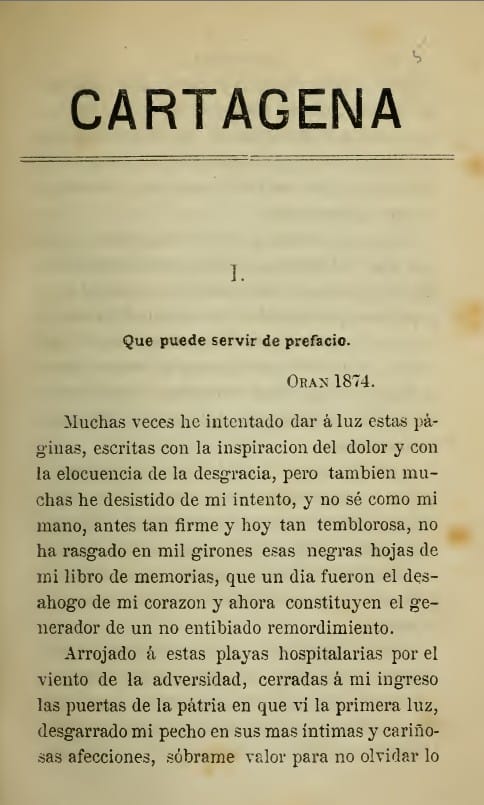
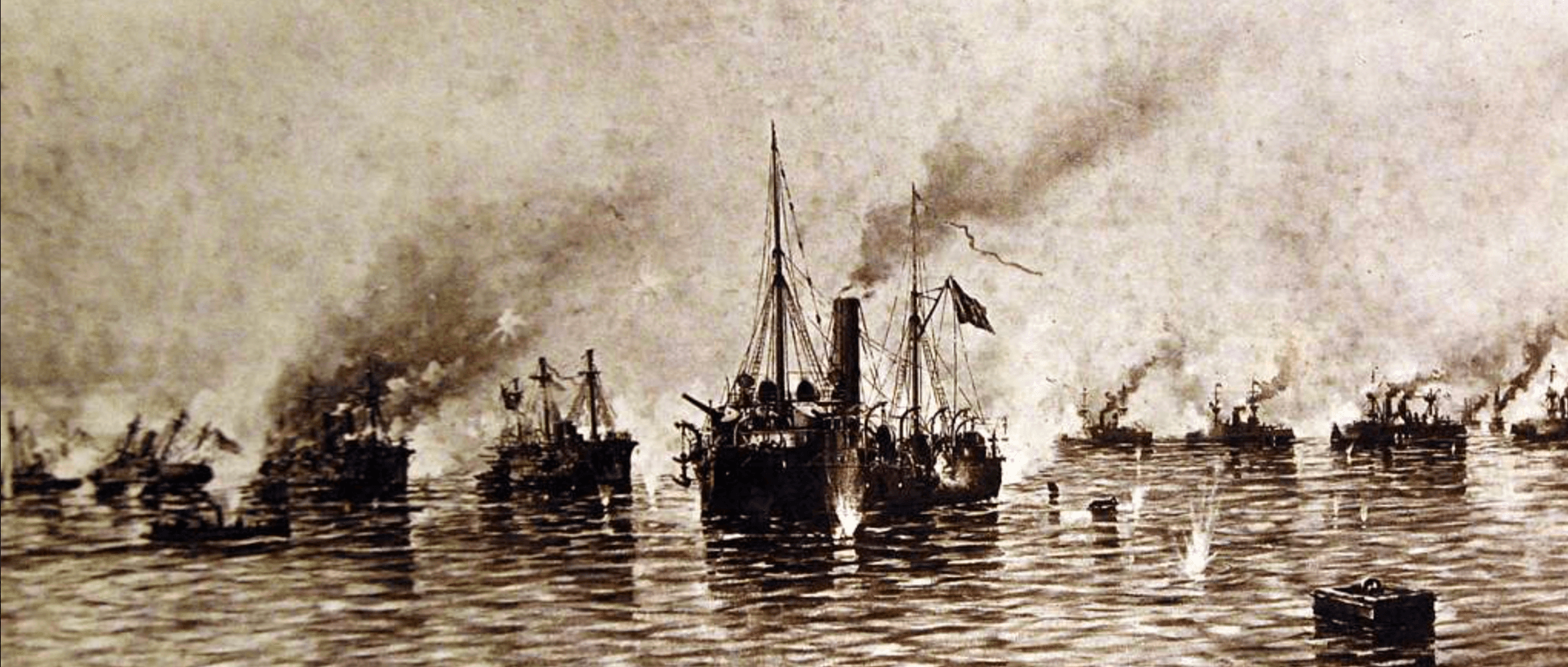
My protagonist, Sadurní Enrich, is trapped in the besieged city of Cartagena until January 12, 1874, before fleeing on the ironclad frigate Numancia to seek exile in Oran. Yet, the plot of The Mariquina Manuscript demands that he arrive in the oppressive, humid streets of Intramuros, Manila, by mid-April 1874.
How exactly does a penniless exile cross from the coast of North Africa to the edge of the Spanish East Indies in just three months?
The Larrinaga Line Solution
Before the late 19th century, a sea voyage from Europe to the Philippines via the Cape of Good Hope took roughly 100 days. If Sadurní relied on a traditional sailing route, he wouldn't arrive in Manila until the summer.
Fortunately for my plot, the opening of the Suez Canal in 1869 had just revolutionized global travel. But I still needed a specific ship. While Spain's premier shipping entity, the Compañía Trasatlántica Española, wouldn't establish a regular, direct Suez route to the Philippines until 1884, another firm had beaten them to the punch.
Enter Olano, Larrinaga & Cia. Founded by Basque families, this company recognized the potential of the Suez Canal and inaugurated the first direct steamship service under the Spanish flag to the Philippines in 1871. Their vessel, the Buena Ventura, completed the maiden voyage in roughly 60 days. This historical reality provided the perfect vessel—literally—for Sadurní. By booking his fictional passage on one of their steamships, the Irurag-Bat, his arrival in Manila Bay by April 1874 was no longer just convenient for the plot; it was historically ironclad.
Timetables and the Lunar Calendar
But getting him there on time was only half the battle. Grounding the fiction in reality requires sensory precision.
Shortly after Sadurní's arrival in Manila, he attends a tense, high-society dinner party at the home of Dr. Casals. Seeking a moment of respite from the veiled warnings of colonial officials, he steps out onto the azotea (open-air terrace) to look over the darkened rooftops of Intramuros and notes that "the full moon shone unnaturally bright in the sky".
When you write a scene like that in historical fiction, you can't just guess the weather or the sky—a lesson I learned the hard way. In my early drafts, I had written this exact scene completely wrong, describing it under the cover of a pitch-black, moonless night. It was only during one of my many revisions that a nagging doubt crept in: Did I actually describe the sky correctly? I plunged back into the research, checking the historical lunar calendar for mid-April 1874. To my dismay—and amusement—I found out my dramatic, moonless night was off by exactly two weeks. The night in question was, in fact, a full moon.
The Architecture of Fiction
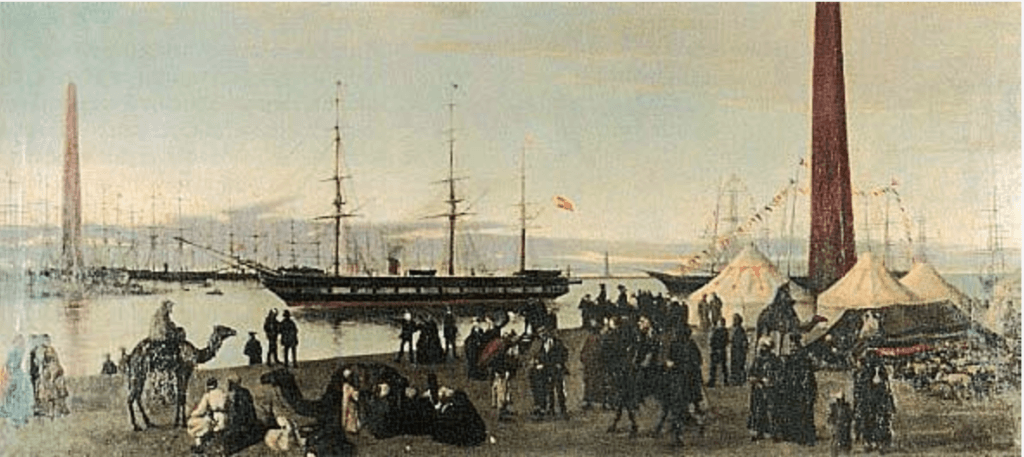
To fix this, I had to calculate the exact steamship timetables all over again, tracing the 45-to-60-day journey across the Mediterranean, through the Suez Canal, and across the Indian Ocean. I had to track the exact number of days my protagonist spends finding a pension and securing his first journalistic assignment, just to ensure that when he finally stands on that balcony, the moon phase aligns perfectly with the historical reality.
These details might seem invisible to the casual reader, but they are the scaffolding of the world. Researching the timetables of the Larrinaga line and tracking the phases of an 1874 moon aren't just academic exercises. They ensure that when Sadurní steps off the boat and into the labyrinth of colonial Manila, he is stepping into a reality that holds its breath exactly as history dictates.