The Suez Rabbit Hole: Researching the Logistics of Exile
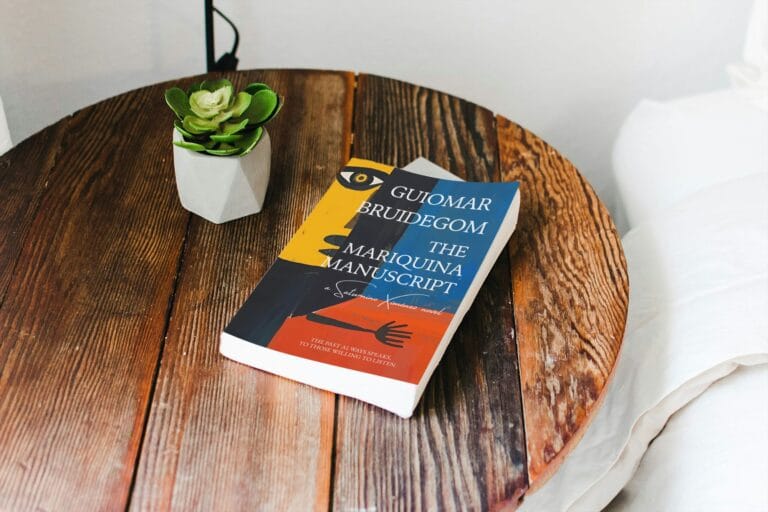
This post takes you behind the scenes of The Mariquina Manuscript, exploring the historical detective work behind the exile journey that physically transports our protagonist from a failed revolution in Spain to a new life in the colonial Philippines.
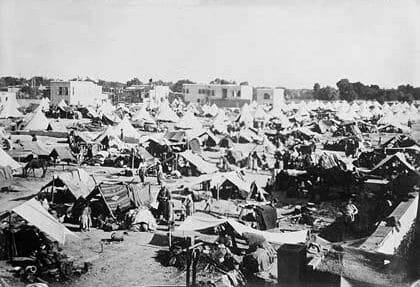
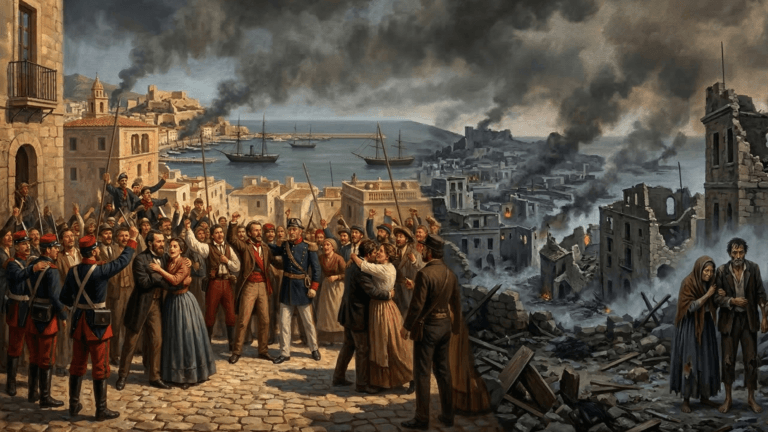
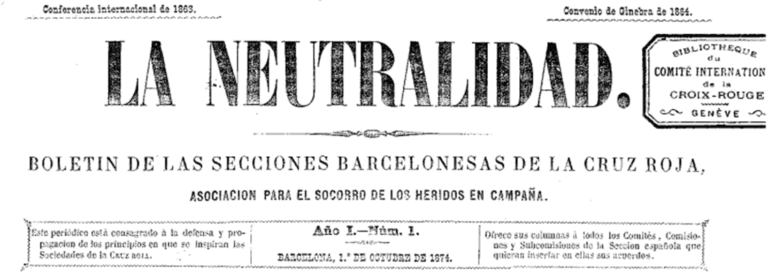
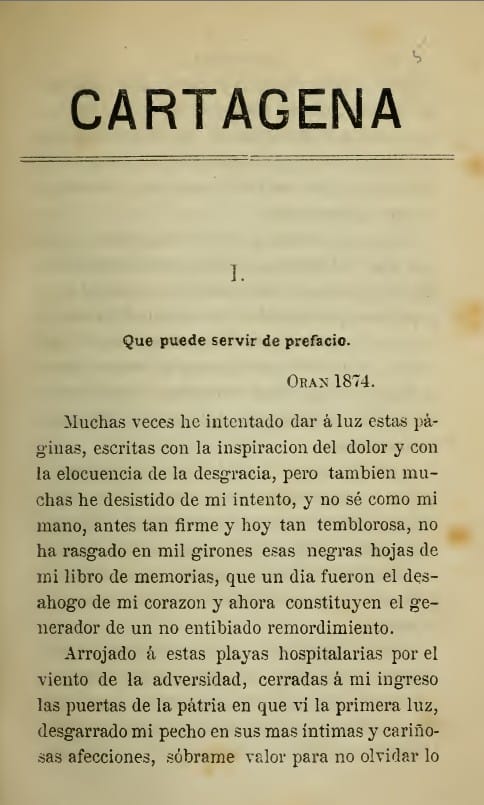
As an author of historical fiction, you sometimes encounter a plot problem that can only be solved by plunging headfirst into a research rabbit hole. For The Mariquina Manuscript and its prequel, The Oran Ultimatum, my problem was one of logistics: I had a twenty-year-old revolutionary, Sadurní Enrich, sitting in a miserable refugee camp in Mers El Kébir, Algeria, in late January 1874. By April 1874, I needed him to step off a boat in Manila.
How exactly did a disgraced rebel cross the globe in the 19th century? The answer required navigating a maze of Spanish colonial bureaucracy, the marvels of Victorian engineering, and the sensory realities of maritime travel.
The Paperwork: Escaping the Empire's Net
My first hurdle was getting Sadurní out of the Mediterranean. In 1874, traveling to the Spanish Philippines (a provincia de ultramar) wasn't simply a matter of buying a ticket. The Spanish Empire strictly regulated movement to its colonies to maintain political and religious control.
Any Spanish citizen required two critical documents: a general pasaporte issued by provincial authorities, and a highly specific licencia de embarque (embarkation license) issued by the central colonial administration in Madrid. This license proved the traveler had been vetted and approved to enter the colony.
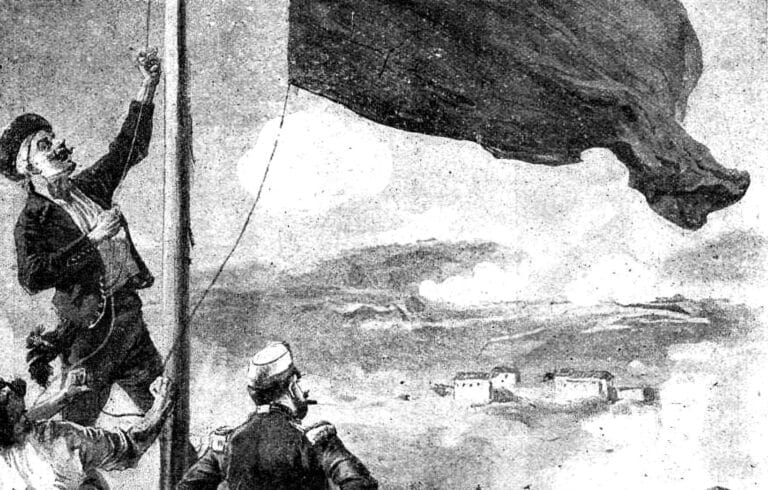
For a young man who had just participated in the treasonous Cantonal Rebellion—an uprising that declared independent cantons and defied the central government—applying for this license would have been a quick ticket to a penal colony or the firing squad. This historical reality shaped the narrative: Sadurní couldn't just run away; he had to be smuggled out through official channels. This is why his estranged, influential father must intervene, using his connections to secure "new identity papers and a quiet pardon" to force his son into voluntary exile via Marseille. The heavy hand of Spanish bureaucracy became the very instrument of his banishment.
The Game Changer: The Suez Canal
Once the paperwork was hypothetically cleared, the next challenge was the timeline. Historically, the voyage from Europe to Manila via the Cape of Good Hope was a grueling, often perilous journey of around 100 days. If Sadurní left in February, a Cape voyage would push his arrival well into the summer, ruining the pacing of the novel.
Enter the technological marvel of the age: the Suez Canal.
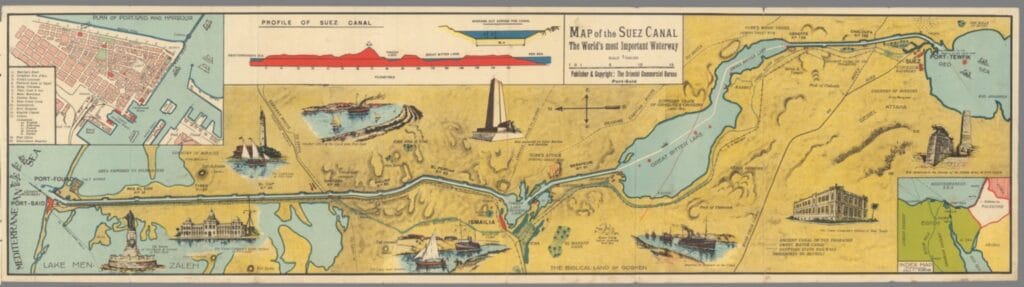
Opened in November 1869, the canal fundamentally reshaped global commerce and communication, effectively halving the journey between Europe and Asia. By carving a 163-kilometer channel through the Isthmus of Suez, steamships could bypass Africa entirely. For the Spanish, it meant the Philippines were suddenly much closer. In 1871, the pioneering Spanish shipping line Olano, Larrinaga & Cia completed a voyage from Europe to Manila via Suez in roughly 60 days. By taking a French or British steamer out of Marseille, connecting through the canal and across the Indian Ocean, Sadurní's arrival in Manila by April 1874 wasn't just possible—it was the cutting edge of modern travel.
The Sensory Arrival
Researching the sea voyage also provided the crucial sensory details needed to bring Sadurní’s arrival to life. The journey from the relatively ordered environment of a European steamship to the heart of Manila was not a seamless step onto a pristine dock.
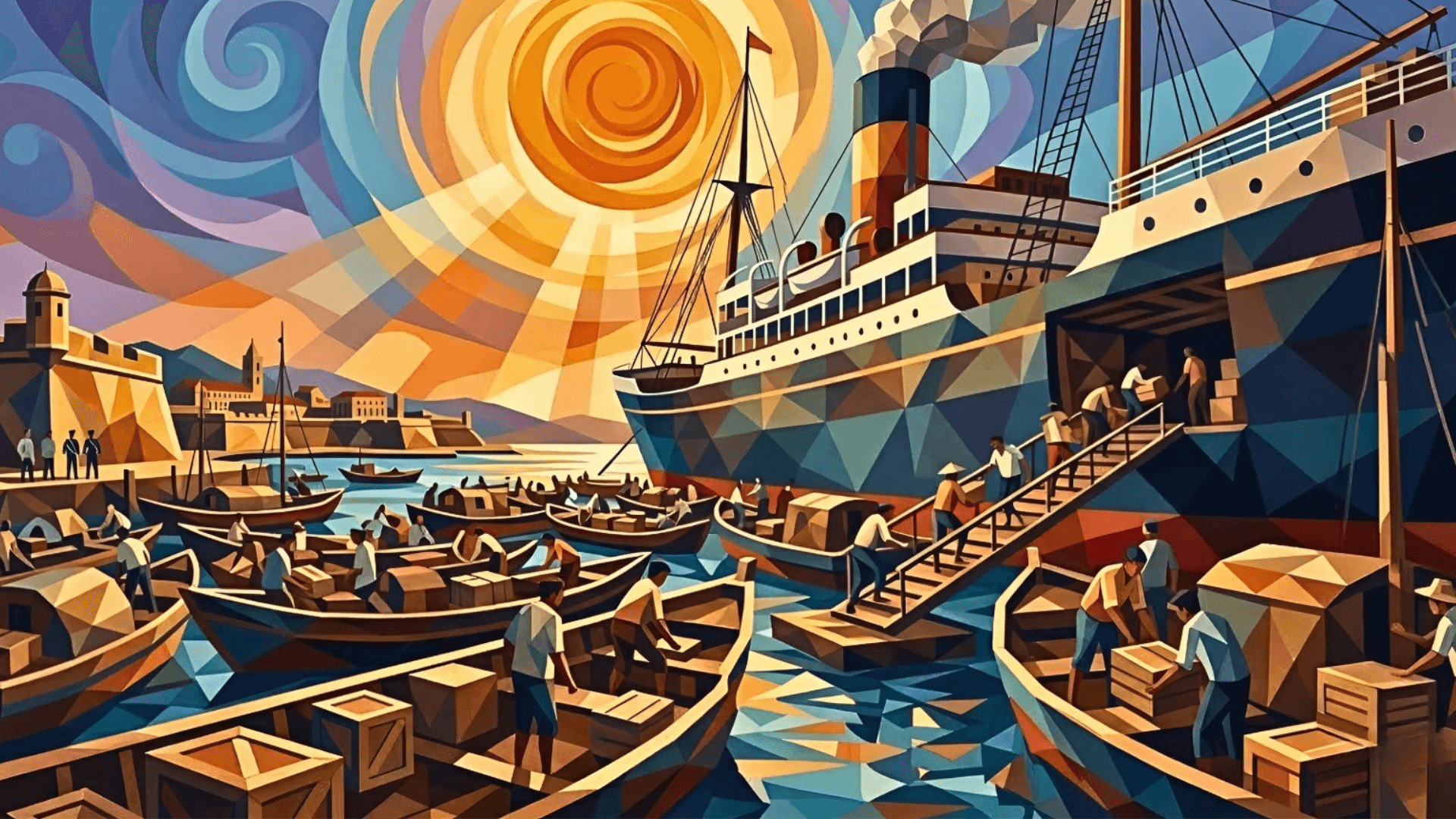
In the 1870s, large ocean-going vessels had to anchor some distance offshore in Manila Bay. Passengers and their luggage were then transferred onto cascos—broad, flat-bottomed local barges operated by Filipino boatmen. This transfer served as my protagonist's true crossing of the threshold. Stepping off the European ship and onto a local casco to travel up the Pasig River broke the contained bubble of the sea voyage.
In the opening chapter of The Mariquina Manuscript, I used this exact historical detail to amplify Sadurní's disorientation. He is hit instantly by the physical weight of the humid air, the cacophony of unfamiliar languages, the pungent aroma of spices and open drains, and the terrifyingly familiar sight of the Guardia Civil waiting on the shore.
Conclusion: Where History Meets Plot
What started as a logistical headache—calculating travel times and researching maritime routes—ultimately enriched the narrative. The strict embarkation laws heightened the tension of Sadurní's exile, making his father's ultimatum a binding trap. The Suez Canal provided the precise historical mechanism for his rapid deployment to Asia. And the reality of the casco transfer grounded his arrival in the gritty, sensory truth of 19th-century Manila.
It is in these rabbit holes that the fiction writer finds the best material. The historical facts dictate the boundaries of the world, but they also provide the very texture that makes the fiction feel real.