The Sensory City: Rebuilding 1874 Manila in Prose
In 1874, Manila was a city defined by a profound friction: it was frantically rebuilding its physical structures while simultaneously crushing the spirits of its inhabitants under a regime of paranoia. Translating this specific historical moment into prose requires engaging all the senses.
The Symphony of Stone and Steel (Sound and Sight)
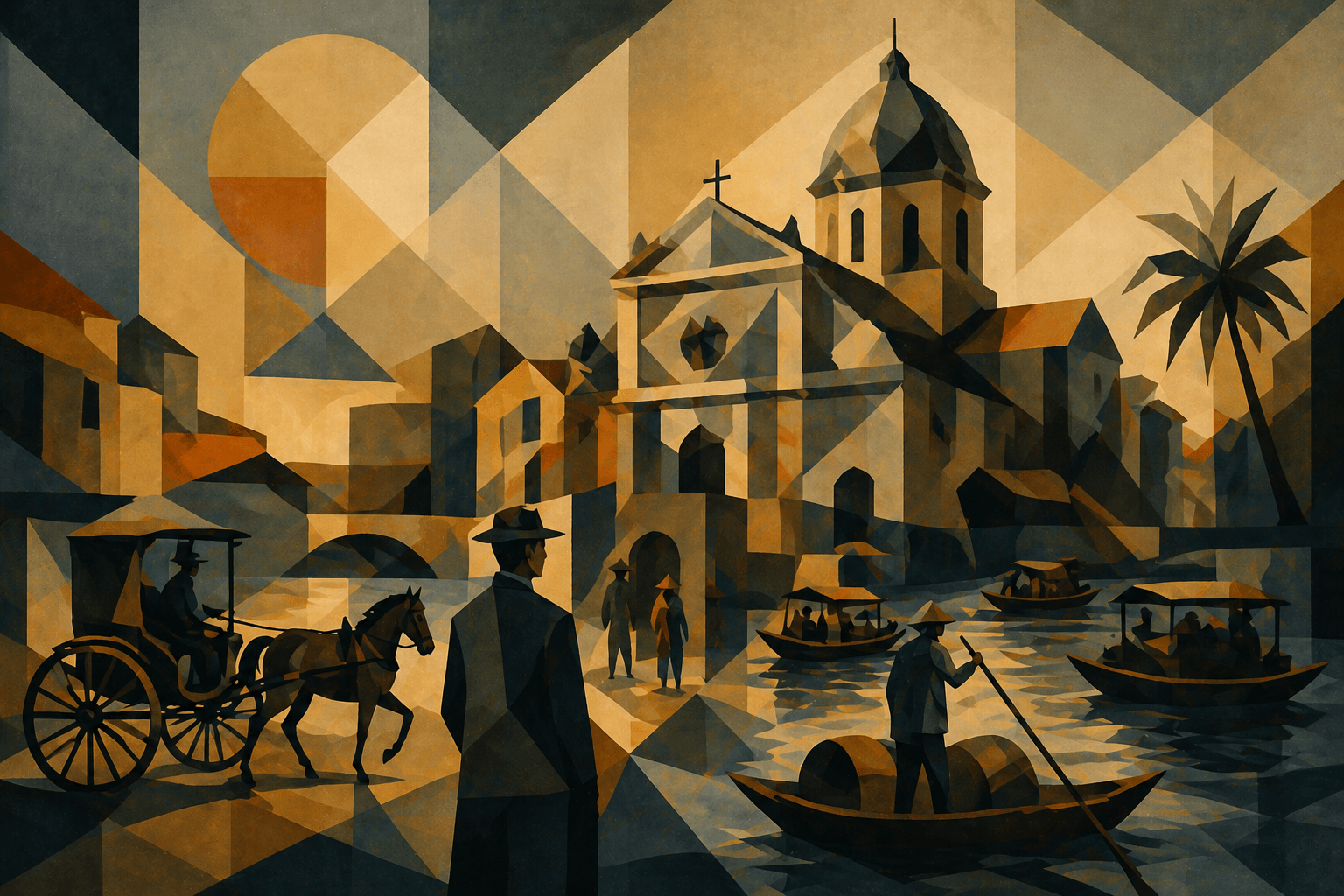
To walk into the Plaza Mayor in Intramuros in 1874 was to walk into a massive, organized construction site. A decade after the catastrophic earthquake of June 1863 had reduced the Walled City's grandest structures to rubble, the physical rebuilding was finally in full swing. The Spanish government had formally approved the final reconstruction plans for the Manila Cathedral in December 1873, meaning that throughout 1874, the site was a hive of activity.
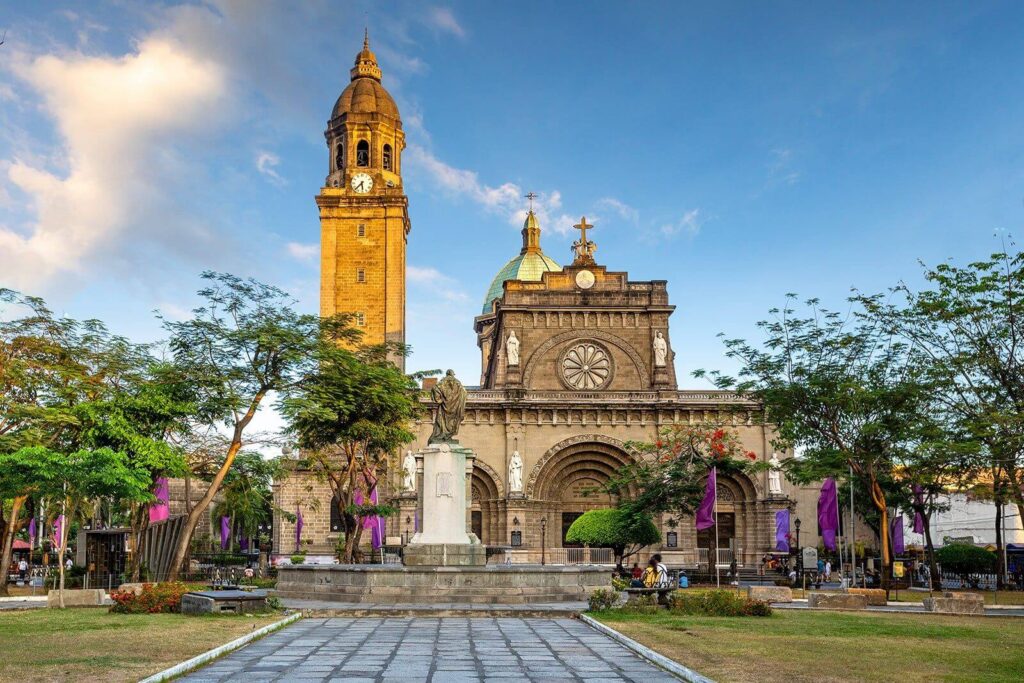
In the novel, this is captured through the relentless auditory backdrop of the Plaza Mayor. The air carried the sharp, percussive notes of dressed adobe and Meycauayan stone being chiseled, the wet slop of mortar being mixed, and the rhythmic clang of hammers on steel. Visually, the ruined shell of the Cathedral was wrapped in scaffolding that clung to the rising walls like a vast wooden web. This cacophony of construction serves as a metaphor: the Spanish Empire, shaken by earthquakes and political uprisings, desperately trying to cement its authority back together in stone.
The Olfactory Divide (Smell)
Perhaps the most evocative sense for transporting a reader is smell. 1874 Manila possessed a complex, often contradictory olfactory landscape. When our protagonist, Sadurní Enrich, navigates the cobblestone streets of Intramuros, he is hit by the sharp, pungent stench of horse sweat and dung from the brightly painted kalesas rattling past, mixing with the dry dust of the roads and the scent of decay.
Yet, this harsh urban reality is suddenly pierced by the cloying, almost intoxicating floral fragrance of Dama de Noche blooming in the humid evening air. Moving closer to the Parián Gate, the smells shift again: the smoke from charcoal braziers roasting meats and spices drifts from the bustling eateries. This clash of scents—the sweet tropical flora masking the grit of a pre-industrial city lacking modern sanitation—mirrors the beautiful but rotting facade of the colonial administration itself.
The Weight of the Atmosphere (Touch and Feeling)
The physical and the psychological are inextricably linked in 1874 Manila. The climate is not merely warm; it is a "weight of air"—an oppressive, inescapable heat and humidity that drains energy.
This physical suffocation is the perfect prose vehicle for the psychological suffocation of the era. The city is still reeling from the trauma of the 1872 Cavite Mutiny and the subsequent executions of the Gomburza priests. It is a society under the watchful eyes of the Guardia Civil. By 1874, Intramuros feels less like a historic sanctuary and more like a meticulously designed cage. The prose reflects this "watchful quiet" beneath the surface bustle, where conversations hush as strangers pass, and where the inhabitants move with practiced, terrified caution.
A Tale of Two Riverbanks (Movement)
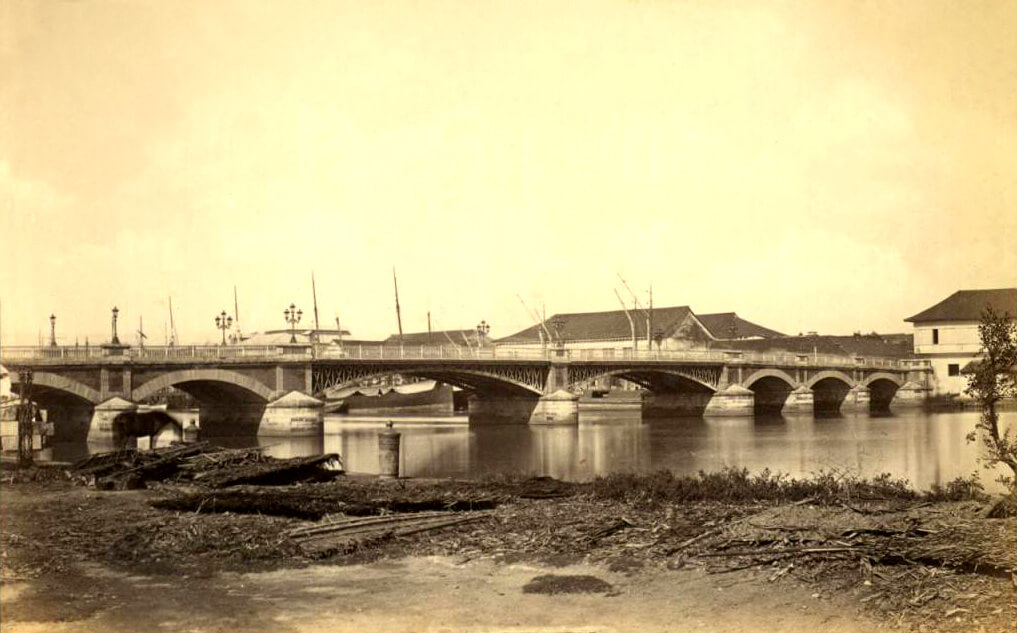
Finally, the prose must capture the motion of the city, which was dictated by its waterways. Because the main Puente Grande (Bridge of Spain) was still severely damaged from the 1863 earthquake, travelers in 1874 relied on a temporary pontoon bridge (Puente de Barcas) or local ferries.
Out on the river, the visual landscape shifted entirely to the world of commerce. The water teemed with cascos—broad, flat-bottomed wooden barges propelled by boatmen pushing long bamboo poles against the riverbed. These vessels, loaded with rice and vegetables from fertile valleys like Mariquina, represented the vital economic lifeblood feeding the capital.
The Sensory Crucible
In 1874, the stifling heat mirrors the suffocating political censorship. The smell of decay beneath sweet floral scents reflects corruption hiding behind pious colonial facades. The clatter of rebuilding the Cathedral echoes an empire's desperate grasp for permanence. By rebuilding Manila in prose through sight, sound, smell, and touch, the city ceases to be a mere backdrop and becomes a living, breathing antagonist in its own right.