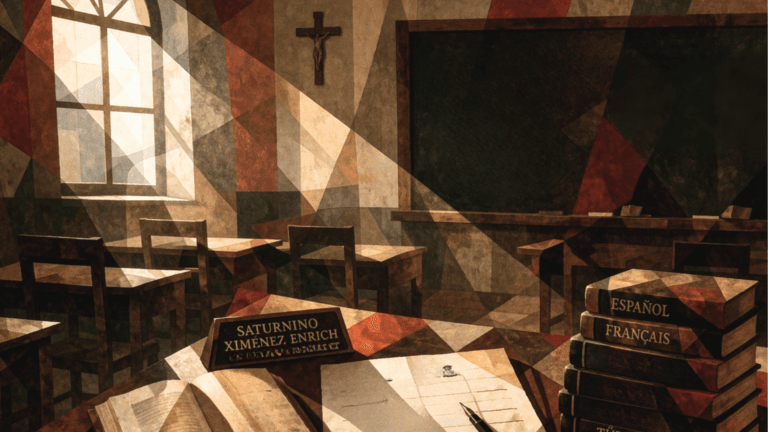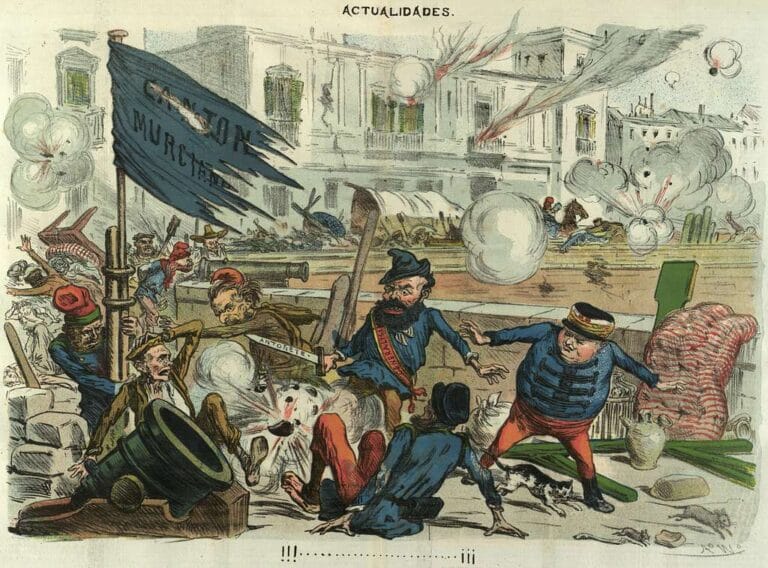
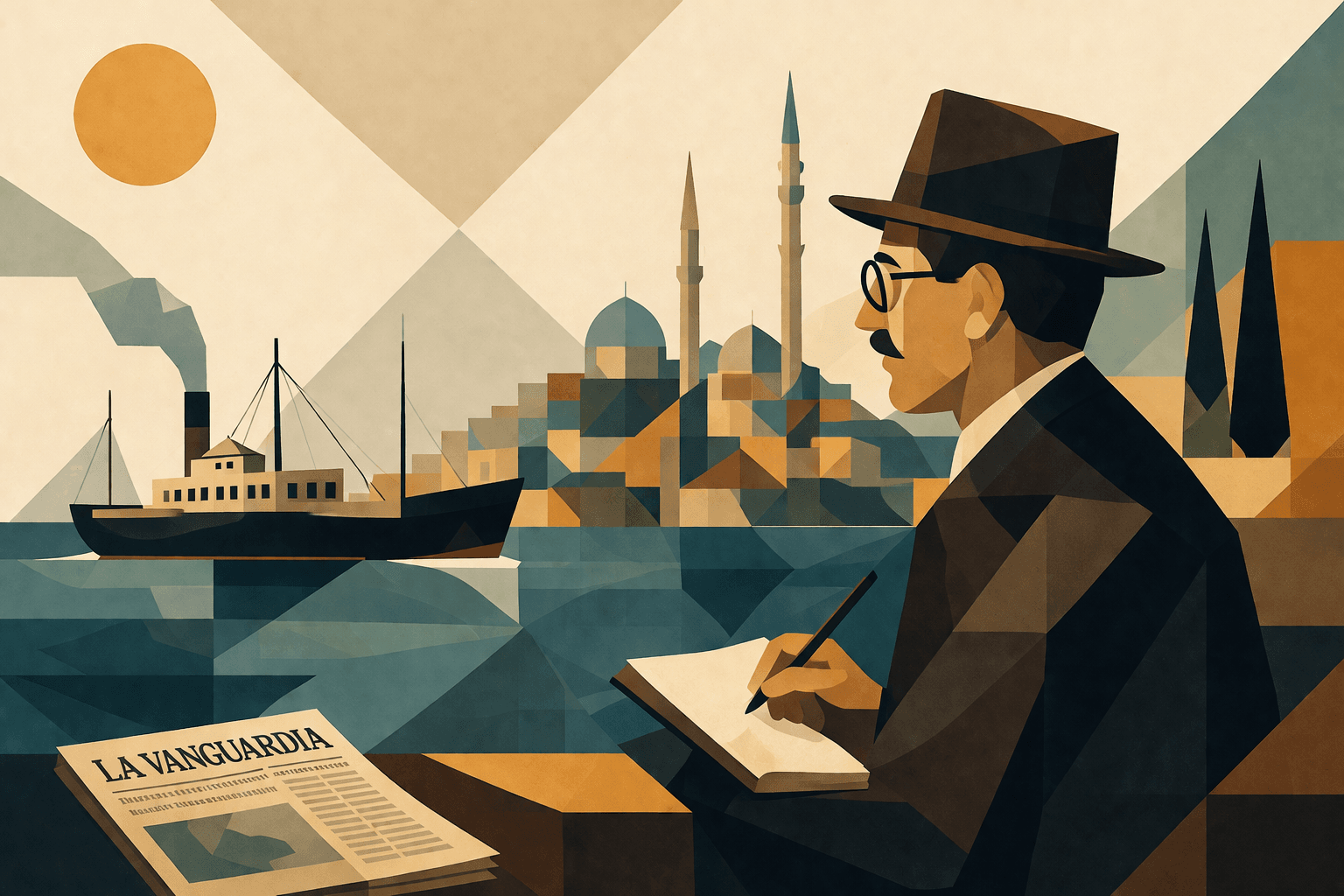
The Provocateur Correspondent of La Vanguardia
(A Life in Ink and the Shadows of the "Affaire Giménez")
To the reading public of fin-de-siècle Spain, Saturnino Ximénez was a vital window into the exotic and the tumultuous. Described by the statesman Francesc Cambó as an "irregular but prolonged collaborator" of the prestigious Barcelona daily La Vanguardia, Ximénez spent over forty years filing dispatches from the bleeding edges of the map. Yet, a closer look at the archives suggests that his "Life in Ink" was often a sophisticated cover for a life in the shadows; his press credentials provided the perfect alibi for a man moving between the diplomatic intrigues of the Imperialist courts and the geopolitical fault lines of Europe.
The Baptism of the East (1877–1878)
Ximénez’s international career began in the trenches of the Balkans. Following his early coverage of the Carlist Wars, he traveled to the East in 1877 to cover the Russo-Turkish War. Accredited as a correspondent for the illustrated weekly La Academia, he worked alongside the famous illustrator Joseph Luis Pellicer.
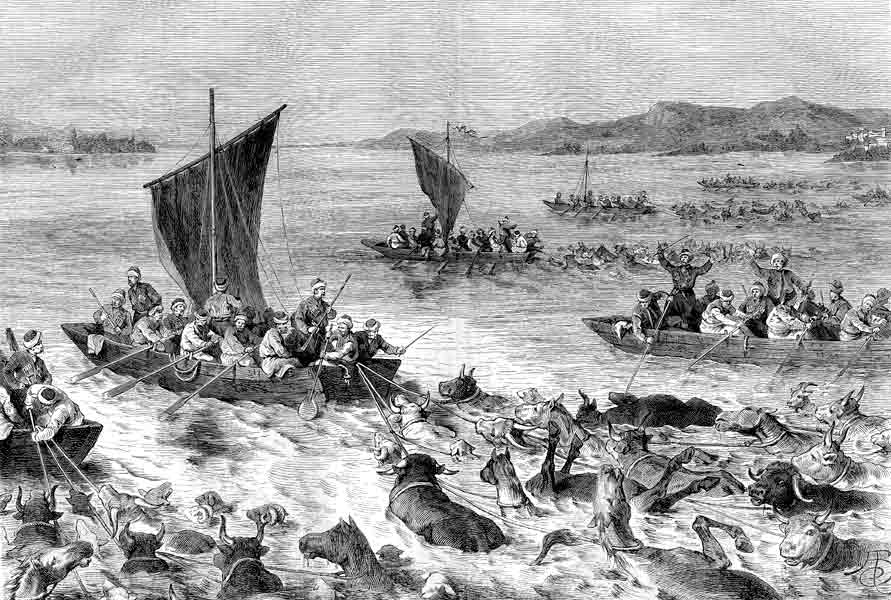
It was here, amidst the "oriental" atmosphere of the dying Ottoman Empire, that Ximénez first displayed the traits that would define his legacy: an obsession with the "Eastern Question" and a preternatural ability to embed himself in high-stakes conflict zones. He was learning that the most valuable information was not found on the battlefield, but in the whispered conversations of embassy salons.
The "Africanist" and the German Scandal (1883–1885)
In the 1880s, Ximénez reinvented himself as a pioneering "Africanist." Sponsored by the Madrid newspaper El Día, he conducted a series of daring expeditions through Morocco, the Rif, and the Sahara. He returned to Spain a celebrated figure, giving packed conferences at the Ateneo Barcelonés about Spanish strategic interests in North Africa.
However, his journalism was rarely merely observational; it was often an instrument of political interference. In 1885, while serving as a correspondent for the Berlin-based Deutsche Kolonial Zeitung, Ximénez published a provocative article proposing the cession of the Spanish Chafarinas Islands to Germany to be used as a naval base.
The fallout was immediate and explosive. Known as the "Affaire Giménez," the incident sparked a major diplomatic crisis with France and led to Ximénez being expelled from the Geographical Society of Madrid under a cloud of treason. Accusations that he was a foreign agent for the German Empire followed him for years. He defended himself in his book España en el África septentrional (1885), claiming his journalism was a form of "visionary patriotism," but the line between reporter and provocateur had been permanently blurred.
The Illustrious Cultivator: 1888–1920s
Despite the scandal, Ximénez found a stable and prestigious platform under the directorship of Modesto Sánchez Ortiz at La Vanguardia. For decades, his byline brought the global perspective to Catalonia. He was considered one of the paper's "illustrious cultivators of the spirit," his name listed alongside literary giants like Miguel de Unamuno and Azorín.
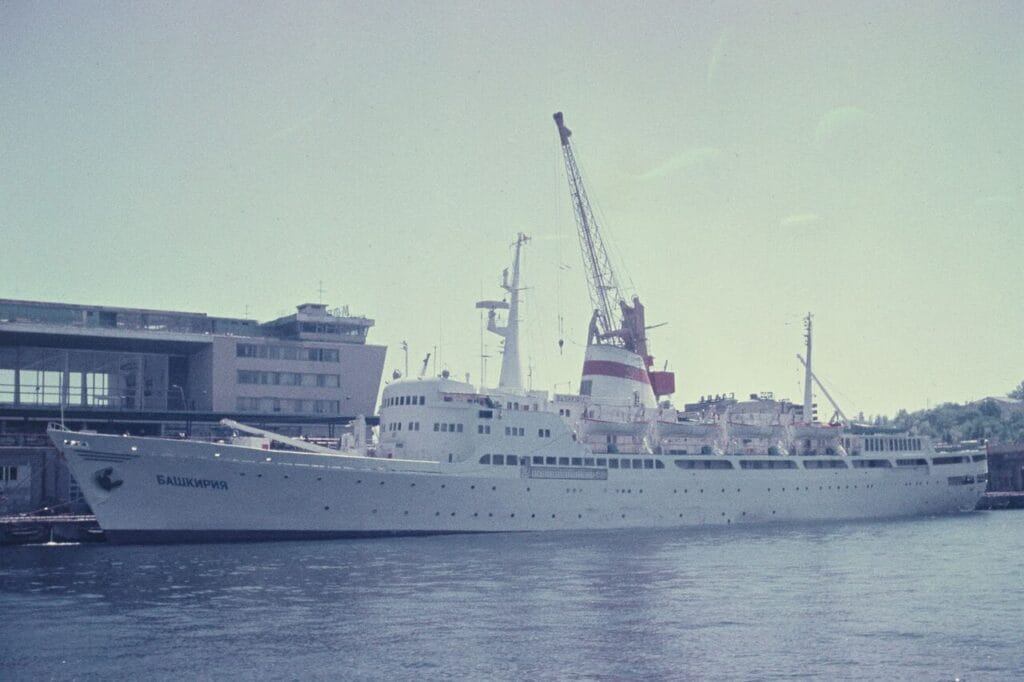
His output was staggeringly diverse. He wrote on the "Revolution in Russian Literature," chronicled the chaos of the "Bavarian Soviet Republic" from Munich in 1919, and provided some of the earliest Spanish analyses of "Soviet Civilization." His dispatches were often datelined from the epicenters of world history: Odessa in 1914 at the outbreak of WWI, or Constantinople in 1923 as the Ottoman Empire finally collapsed.
Status Assessment: The Pen as a Sword
When Saturnino Ximénez died in Paris in March 1933, La Vanguardia published a poignant obituary for its "old collaborator." It described a man who was "polyglot," "errant," and "adventurous"—a journalist who had seen the world burn and was preparing, finally, to return to his native Menorca to die.
He never made it back. The man who had written millions of words about the world died after being struck by a motorcycle on a Parisian street. He left behind a legacy of articles that read more like intelligence reports than traditional journalism—a testament to a life where the pen was not just a tool for description, but a weapon for influence.