
Imported Boston Ice: The Luxury of a Manila Summer
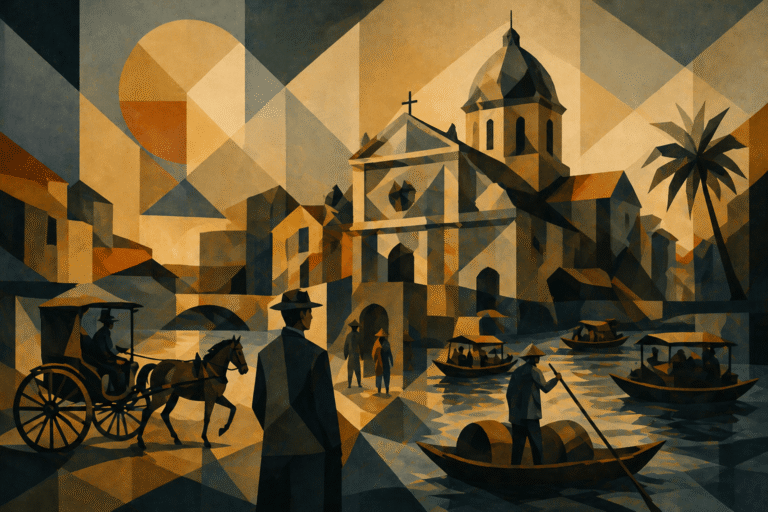
To step off a steamship into the port of Manila in 1874 was to hit a physical wall of oppressive tropical heat and humidity. In this sweltering climate, a cold drink was not merely a refreshing comfort; it was a rare, highly coveted luxury. Today, we take refrigeration for granted, but in 1874 Manila, a clinking glass of ice was nothing short of a logistical miracle and a profound symbol of colonial status.
The Long Voyage of Massachusetts Ice
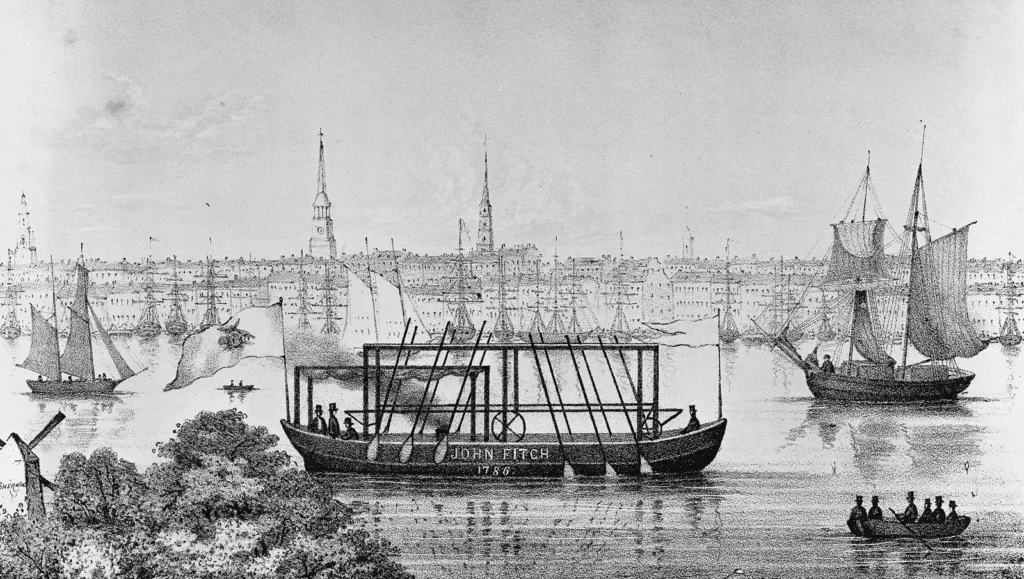
Before the advent of local artificial refrigeration—which would not arrive on a commercial scale until 1881—achieving true coldness relied entirely on global importation. Astonishingly, the ice that cooled the drinks of Manila's elite was natural ice, harvested during the bitter winters from frozen freshwater lakes halfway across the globe, most notably Wenham Lake in Massachusetts, USA.
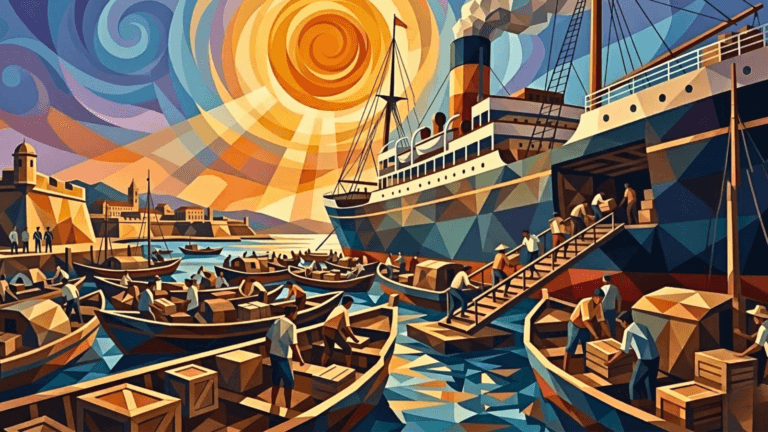
This New England ice was packed into the holds of ships with sawdust and undertook an arduous, months-long sea voyage. These ships often made stopovers in India before finally reaching the shores of the Philippines. Because of this incredible journey and the inevitable melting that occurred along the way, imported ice was exceedingly expensive, and its supply remained notoriously inconsistent.
The Frozen Commodity of the Elite
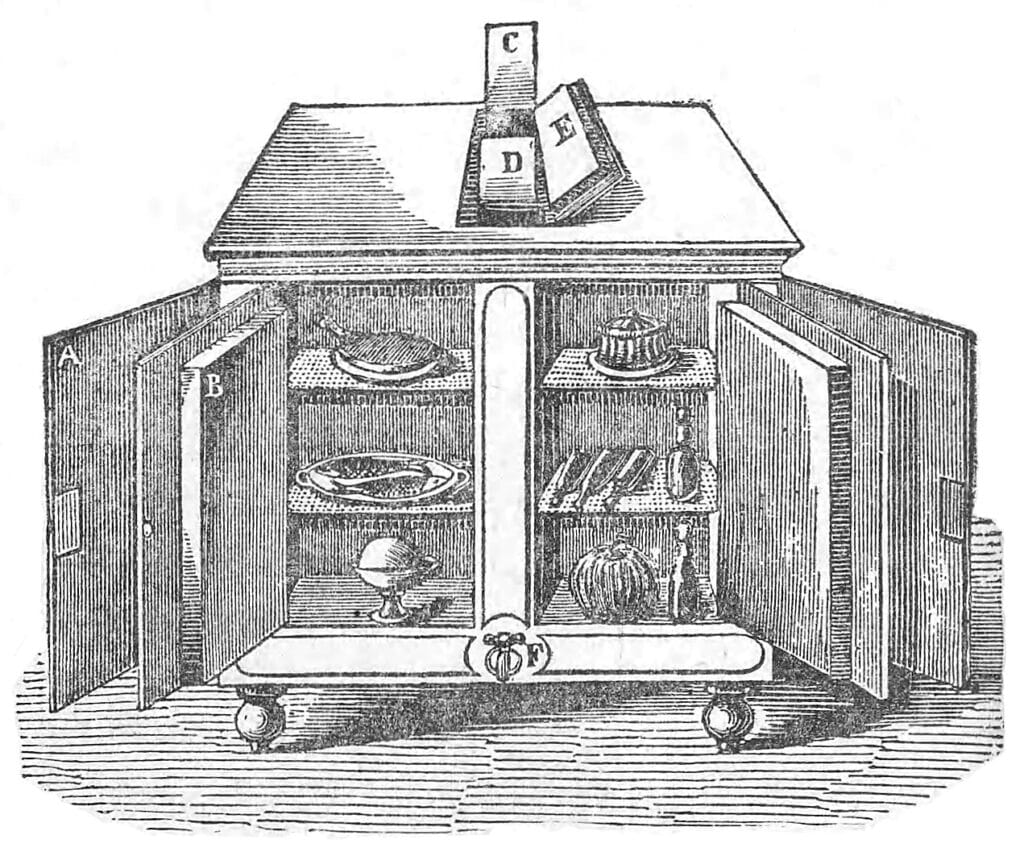
Consequently, this frozen luxury was a commodity accessible only to the absolute highest echelons of colonial society: high-ranking Spanish officials, affluent foreign merchants, and the wealthiest of Filipino and mestizo families. To partake in this luxury, one needed not only the exorbitant funds to purchase the ice off the docks but also the means to store it—specifically, expensive, insulated ice chests known as neveras.
In this rigidly stratified society, beverage consumption functioned as a liquid manifestation of the colonial hierarchy. The very temperature of a drink served as one of the starkest indicators of one's position in the world. For a Peninsular or a wealthy British merchant, serving a guest an iced beverage was a powerful, unambiguous display of wealth. It immediately distinguished the host from everyday life and proved their connection to vast, expensive global trade networks.
Ambient Realities: How the Rest of Manila Cooled Down
For the vast majority of Manila's population, however, true coldness was completely out of reach. The average Manileño consumed their beverages warm or at ambient temperature. To combat the tropical heat, locals relied on traditional, ingenious methods of temperature control.
Simple cooling techniques included storing drinks in the relatively cooler ground floor (zaguan) or the cellar (bodega) of a traditional Bahay na Bato (stone house). Many utilized evaporative cooling by wrapping their containers in damp cloths or storing drinking water in porous earthenware jars, which allowed the moisture to evaporate and provide a slight, natural chill to the liquid within. To quench their thirst, the general populace turned to local refreshments like fresh, unfermented tuba (sweet palm sap) or simple concoctions of tropical fruit juices mixed with water.
A Melting Metaphor
In the narrative world of 1874 Manila, a block of Boston ice melting slowly in a glass is a perfect reflection of the colonial experience itself: a costly, imported Western comfort forcefully transplanted into a tropical reality, enjoyed by a select few while the rest of the city sweltered. It is these granular, sensory details—the immense cost and effort required simply to make a drink cold—that truly bring the historical disparities of the era to life.